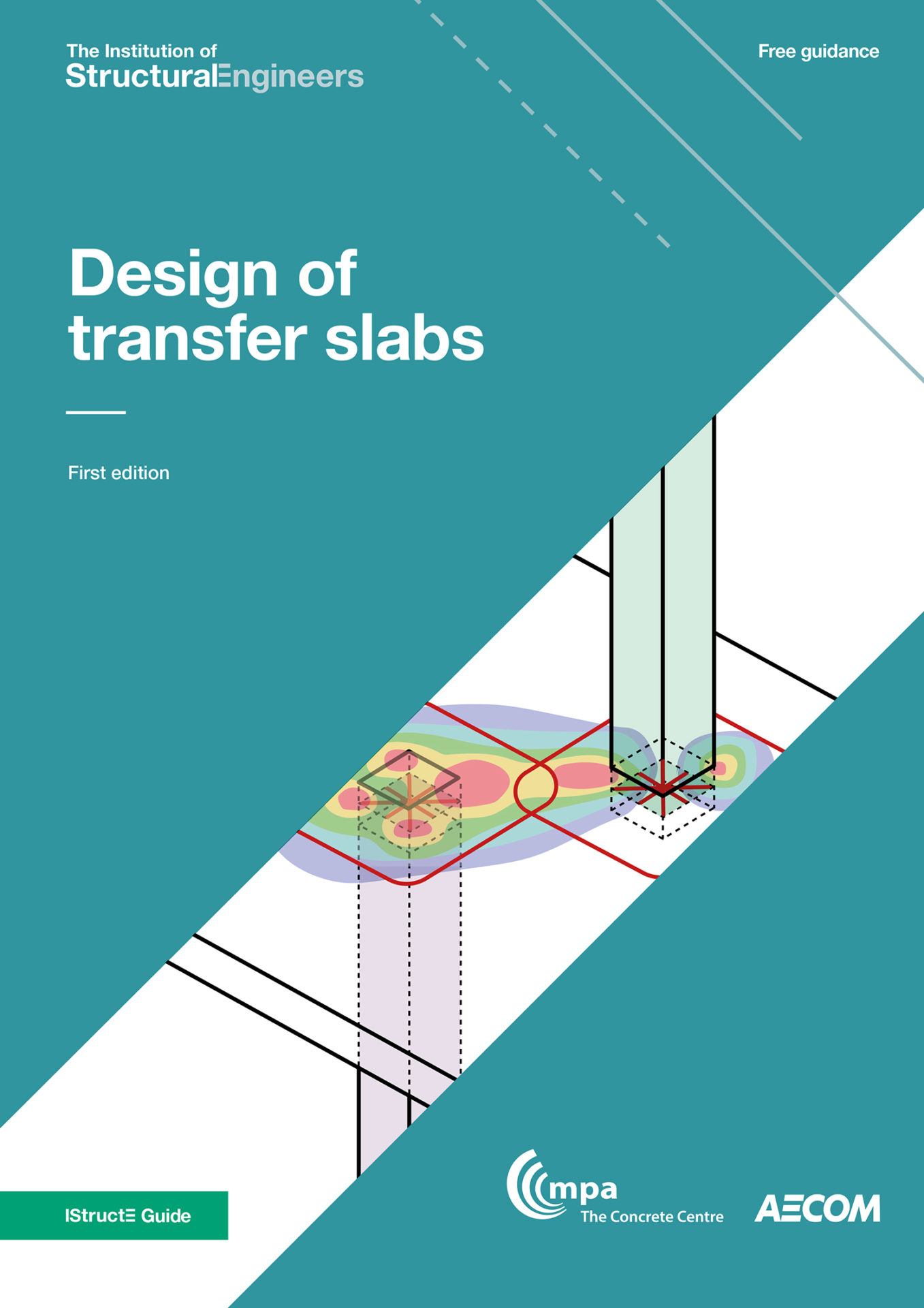
The technical guide is intended for the design of new transfer slabs. The assessment of existing slabs is not covered.
This is not a paywall. Registration allows us to enhance your experience across Construction Management and ensure we deliver you quality editorial content.
Registering also means you can manage your own CPDs, comments, newsletter sign-ups and privacy settings.
The document provides guidance on concept design, design for robustness and suitable methods for the assessment of punching shear in transfer slabs. The recommended punching shear assessment methods differ significantly from the methods used in typical flat slabs.
Despite being a widespread typology, the document suggests that there is currently a lack of understanding, robustness and consistency in the design approaches adopted for transfer slabs.
IStructE said the industry should be pushing for designers, contractors and assessors to understand the inherent complexities, safety implications and sustainability issues of adopting this construction method.
Filling a significant knowledge gap
A transfer slab takes the load from columns that sit above the slab and transfers it to supporting columns placed underneath without the provision of transfer beams.
They are commonly used in reinforced concrete buildings throughout the world to facilitate a change in column grid, for example, as ground-floor podium slabs in mixed-use tower blocks, or at high level to allow for a step back in a building for architectural reasons.
Patrick Hayes, technical director at IStructE, said: “At present, there is no industrywide guidance for the design of a transfer slab, especially for punching shear. To do this work successfully, an engineer needs to have a great understanding of the behaviours of concrete, how column shears interact, disproportionate collapse, and construction sequence effects. It’s a complex process.
“We’ve therefore worked together with industry on this guide to fill a significant knowledge gap in the design of reinforced concrete buildings with transfer slabs that has a potentially major impact on safety.”