Construction Management is the highest circulation construction-based publication serving the UK built environment.
News
Serious fires could be worse in modular housing, research says
Cristina Lago Deputy Editor
(Image: Irina Foto via Dreamstime.com)
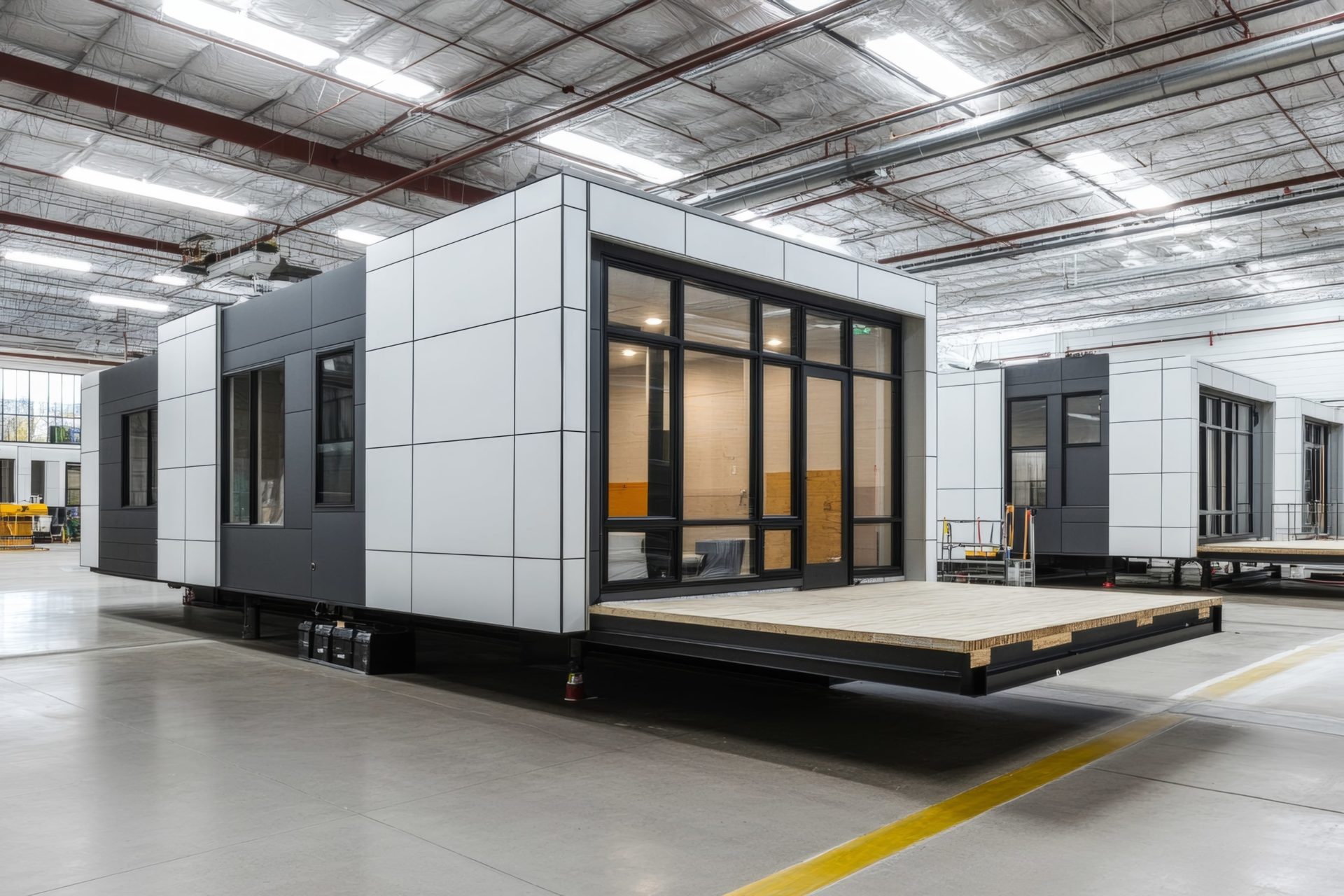
A serious fire may result in more serious consequences in a modular building, new research backed by the Ministry of Housing, Communities and Local Government shows.
While there is not enough evidence to suggest whether a fire is more or less likely in a volumetric construction compared with traditional building methods, the Harlow Consulting and Edinburgh Napier University joint study found the consequences could be worse if combustible elements are used in the voids and cavities through which fire and smoke can travel quickly.
Previous studies have already identified a conflict between sustainable building design and fire safety compliance.
This is not a paywall. Registration allows us to enhance your experience across Construction Management and ensure we deliver you quality editorial content.
Registering also means you can manage your own CPDs, comments, newsletter sign-ups and privacy settings.
“Evidence from respondent interviews suggests it is easier to demonstrate sustainability credentials within volumetric construction, compared with traditional construction,” said the document.
“Furthermore, combustibility concerns about the use of timber can lead to increased use of materials such as concrete, undermining potential for embodied carbon savings.”
Gaps in regulatory framework
Researchers say fire performance and the requirements particular to modular construction must be well understood from the outset and factored into the design to mitigate these risks.
It added: "Risks can be introduced if there is no fit-for-purpose fire strategy, in the event of lack of continuity of structural and general fire engineering expertise throughout the project and where standard fire testing does not work effectively for volumetric products and systems."
It added that respondents to the research broadly agreed that there are gaps in the regulatory framework concerning volumetric construction.
The research was published in the context of the government’s commitment to support MMC and to investigate potential risks to safety and performance posed by volumetric construction and identify potential options for mitigating those risks.
The January/February 2026 issue of Construction Management magazine is now available to read in digital format.
Powered Access
CM, in partnership with IPAF, has launched a new survey to explore the industry’s views and experiences with powered access machines on construction projects.
This is not a first step towards a paywall. We need readers to register with us to help sustain creation of quality editorial content on Construction Management. Registering also means you can manage your own CPDs, comments, newsletter sign-ups and privacy settings. Thank you.