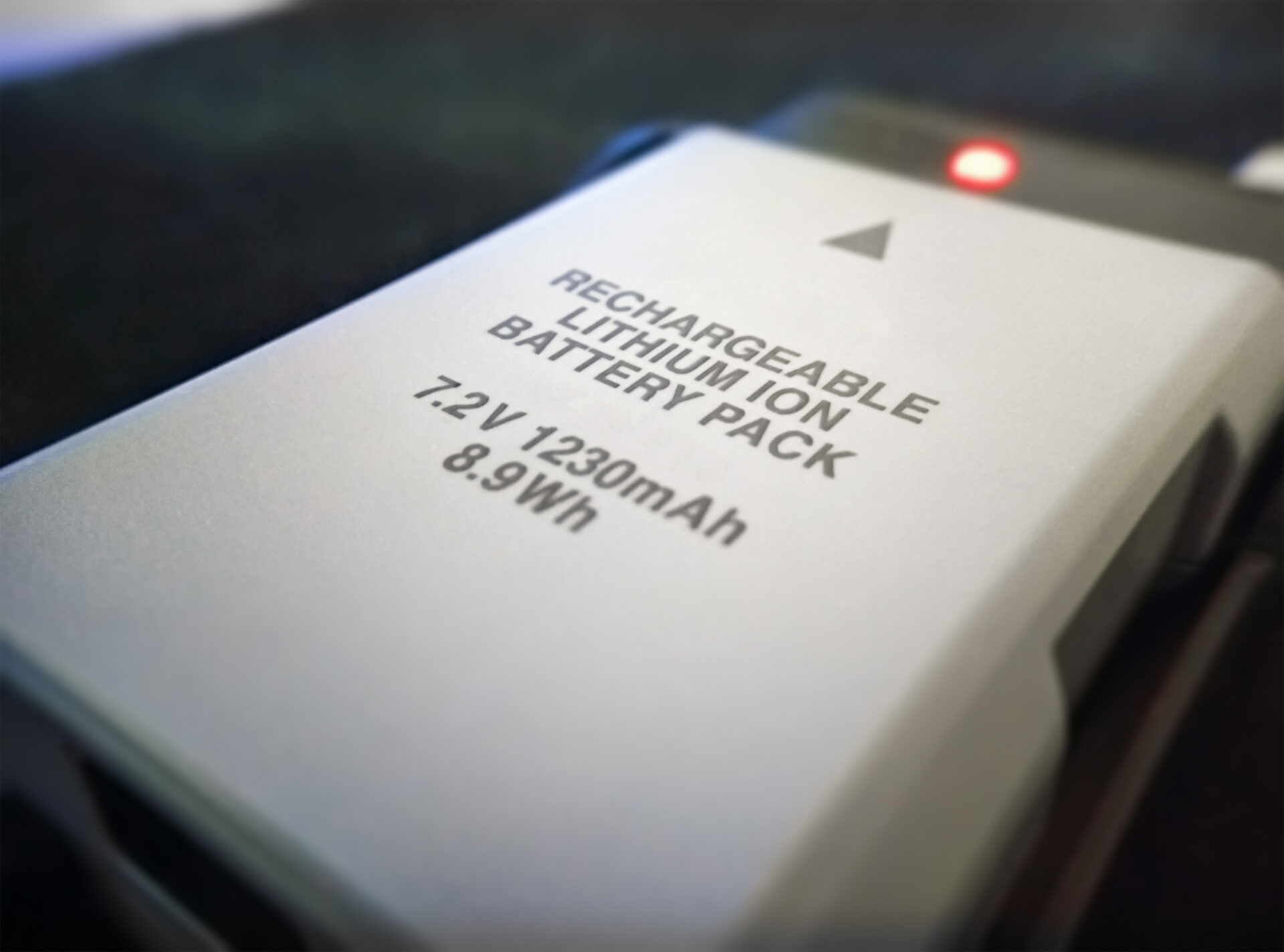
Thermal runaway happens when the heat generated by a lithium-ion battery cell exceeds its ability to dissipate and is triggered by factors like overcharging, short-circuiting and overheating.
This is not a paywall. Registration allows us to enhance your experience across Construction Management and ensure we deliver you quality editorial content.
Registering also means you can manage your own CPDs, comments, newsletter sign-ups and privacy settings.
In construction, lithium-ion batteries are usually found in handheld devices, electric vehicles or energy storage systems.
Despite concerns about lithium availability and its environmental impact, lithium-ion batteries are currently the leading choice for applications such as electric vehicles due to their high energy density and performance.
CROSS-UK is encouraging construction professionals to review the work of the Science of Battery Safety (SafeBatt) project from The Faraday Institution, which in 2020 highlighted the previously unknown hazard of vapour cloud explosion from lithium-ion batteries in thermal runaway.
When overheated, crushed, or overcharged, gases can be produced in lithium-ion cells and in certain circumstances their temperature can increase very suddenly.
This results in the venting of a vapour cloud that includes hydrogen, carbon monoxide, carbon dioxide and very small drops of the organic solvents used in the cells.
First responders had previously mistaken these clouds for steam or smoke, but their composition means that they create the potential for a vapour cloud explosion, which can be more damaging than the initial fire.
CROSS-UK advises managing these risks by implementing safety measures such as the use of a battery management system, installation of fire detection and suppression systems, safe storage and disposal practices, adequate ventilation, regular inspection and maintenance, and proper emergency procedures.