This is not a paywall. Registration allows us to enhance your experience across Construction Management and ensure we deliver you quality editorial content.
Registering also means you can manage your own CPDs, comments, newsletter sign-ups and privacy settings.
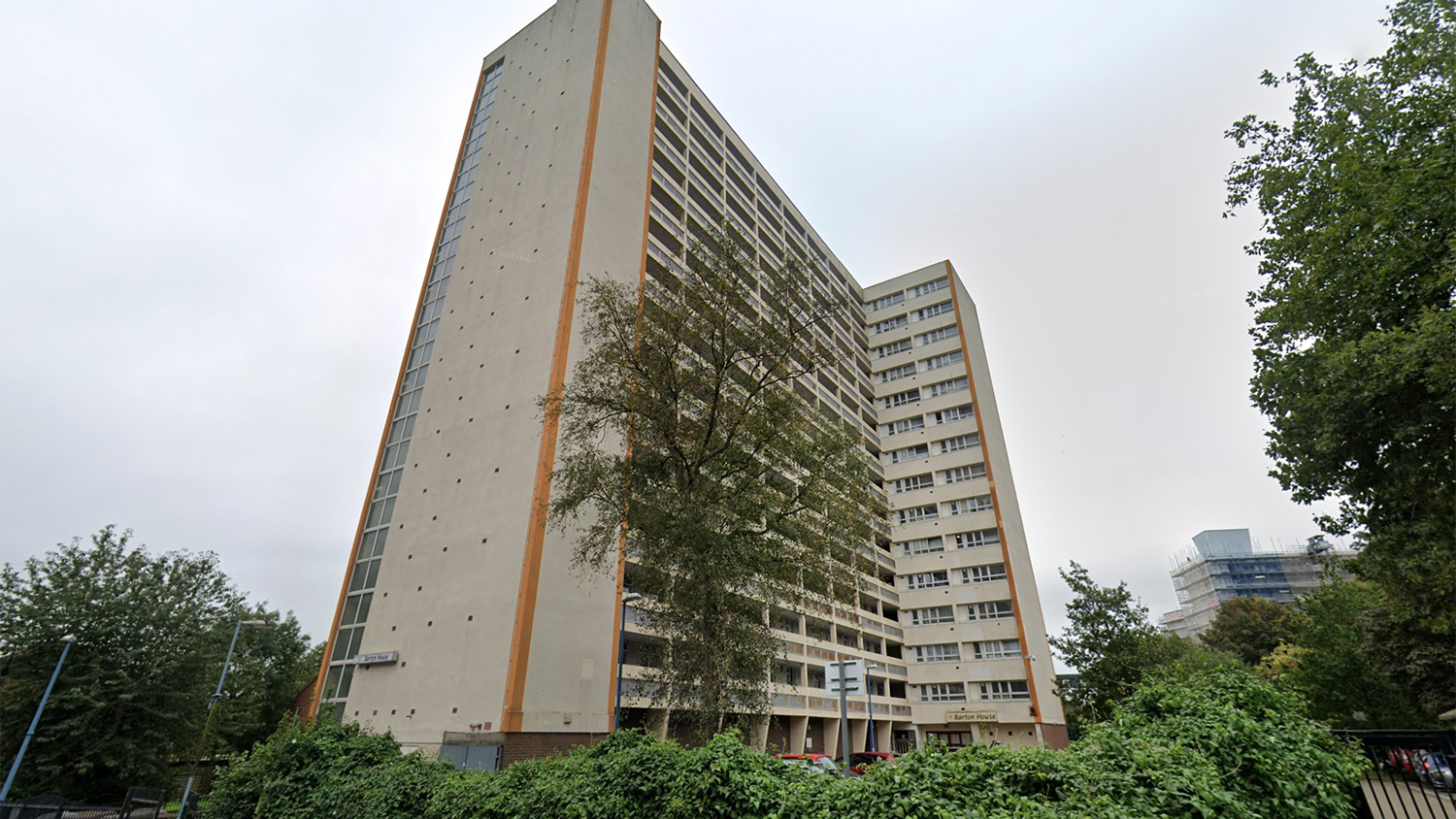
“A number of issues have emerged that suggest the building’s construction is sufficiently different to its blueprints that there is a material risk to the structure of the block in the event of a fire, explosion or large impact,” said Bristol mayor, Marvin Rees, in a blog post.
“This includes the apparent lack of structural ties between the floors and the load-bearing external walls. There is lower fire resistance of these structural elements and less concrete cover than set out in the original plans for the floors. Even if there was concrete cover as thick as set out in the original plans, this would still be less than would be used in a building built today.”
Although Rees said there is no evidence of an immediate risk to life, the building could collapse if there is a fire, explosion, or large impact.
Bristol council is carrying out further surveys to assess if it would be safe for residents to move back into Barton House.
The January/February 2026 issue of Construction Management magazine is now available to read in digital format.
Powered Access
CM, in partnership with IPAF, has launched a new survey to explore the industry’s views and experiences with powered access machines on construction projects.
This is not a first step towards a paywall. We need readers to register with us to help sustain creation of quality editorial content on Construction Management. Registering also means you can manage your own CPDs, comments, newsletter sign-ups and privacy settings. Thank you.