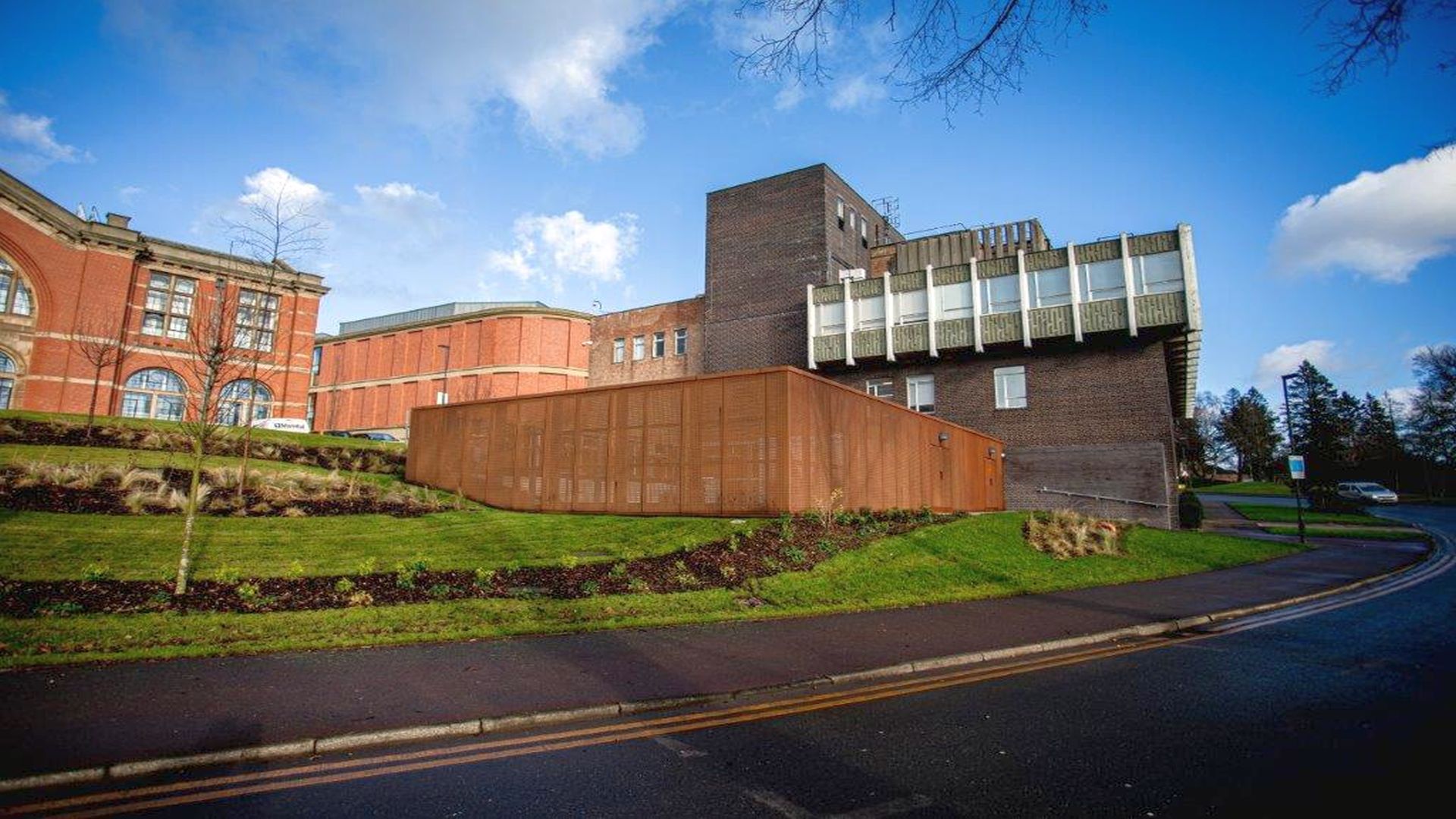
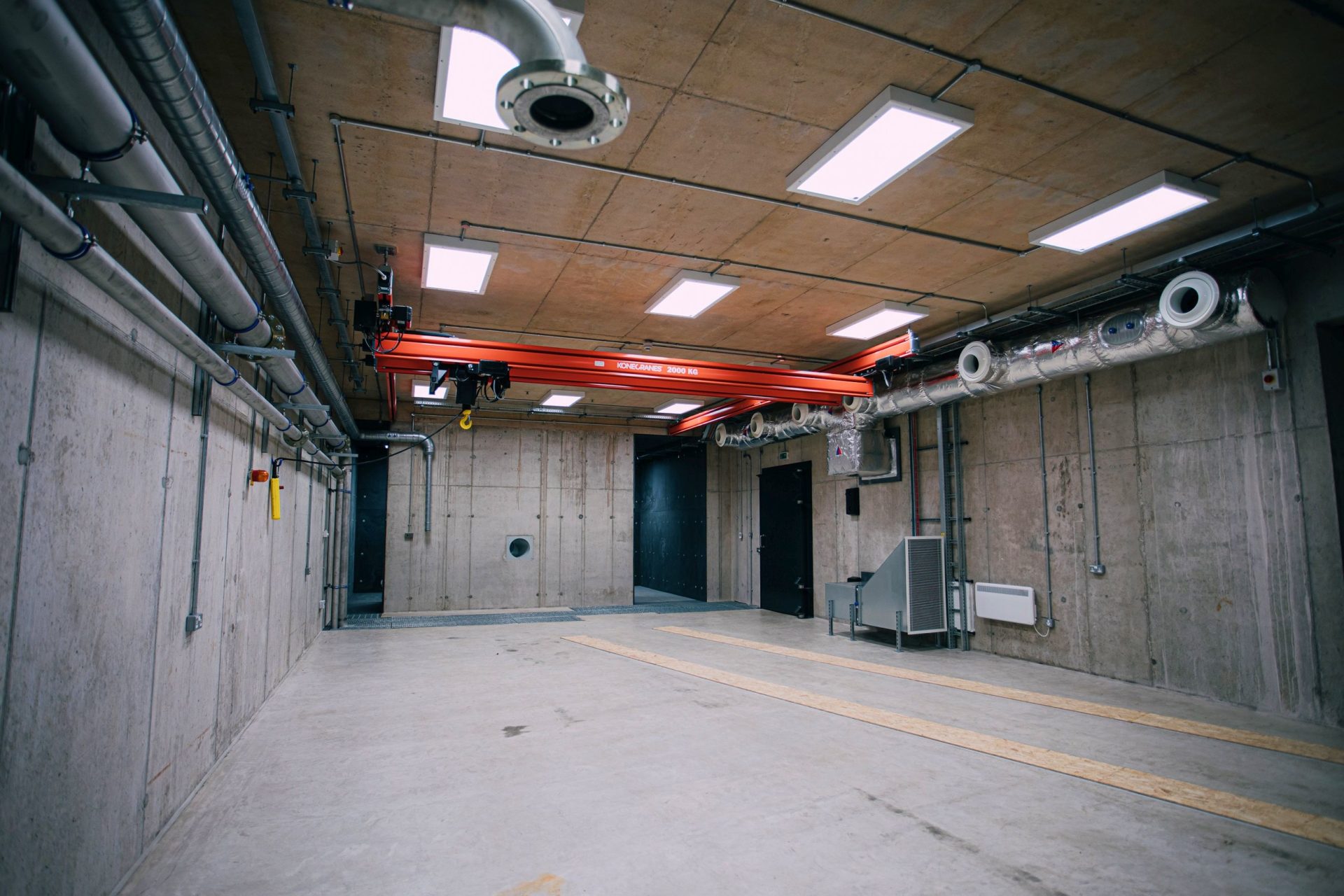
The facility will allow researchers to study neutron interactions in materials for the nuclear sector, for both fission and fusion. It will also play a role in research into nuclear medicine and the study of space.
This is not a paywall. Registration allows us to enhance your experience across Construction Management and ensure we deliver you quality editorial content.
Registering also means you can manage your own CPDs, comments, newsletter sign-ups and privacy settings.
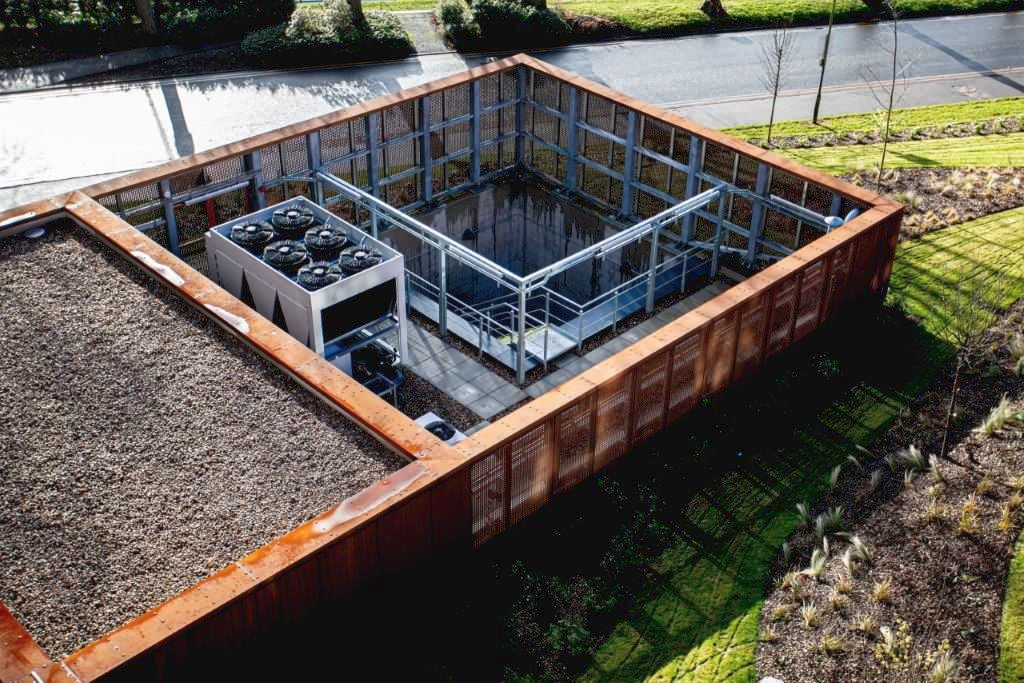
G F Tomlinson oversaw both the design and build of the project. Construction of the bunker began in September 2020. Construction involved excavating down 8m from the high side of an existing bank of land and 4.5m down from the lower side. Geologists offered guidance on the excavation works.
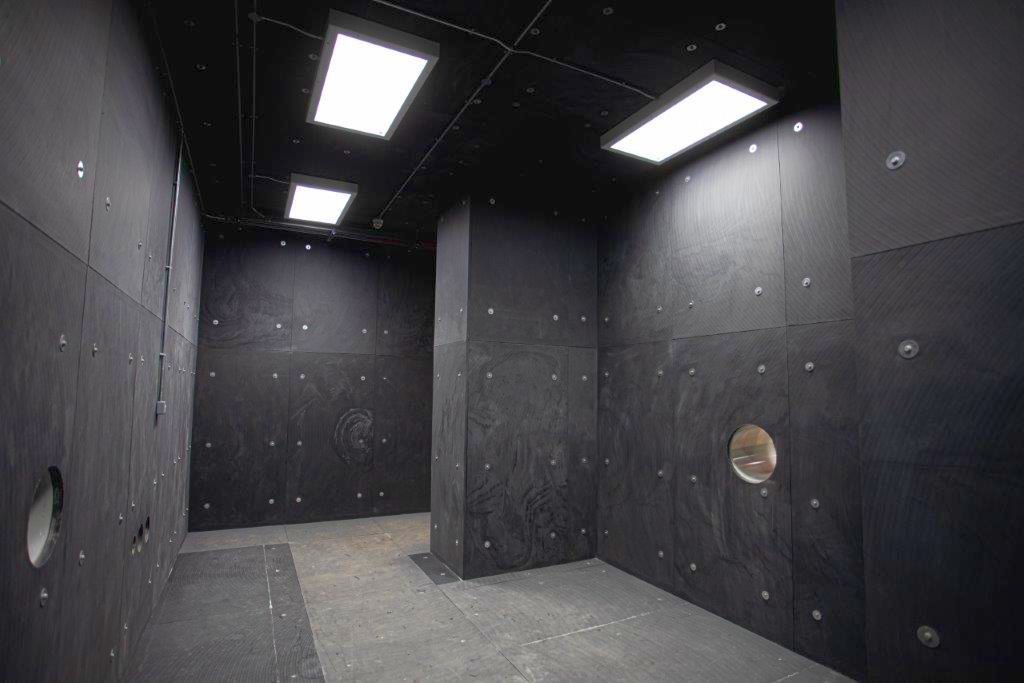
The main contractor worked closely with concrete structure specialist Northfield Construction Ltd and M&E engineer Dodd Group. After excavation work, G F Tomlinson erected a steel frame and installed a concrete structure. The structure has a 450mm thick floor, 600mm thick walls and a 300mm thick floor slab on top. Specialist radiation doors were also fitted.
Researchers will use the neutron facility to study neutron interactions in materials for the nuclear sector.
The High Flux Accelerator-Driven Neutron Facility will be only the second such facility in the world. The other is located in Helsinki in Finland. It forms part of the National Nuclear User Facility (NNUF), which is funded by the Department for Business, Energy, and Industrial Strategy (BEIS).
‘Protection from radiation’
Chris Flint, managing director of G F Tomlinson, said: “We’re incredibly proud to have completed the construction of this new bunker. It will be home to an important international facility designed to perform crucial research in the nuclear sector. And it can be used to further specialised nuclear medicine and the understanding of materials in space.
“The thickness of the concrete structure will ensure protection from radiation, as well as the installation of specialist radiation doors into the facility.”
The January/February 2026 issue of Construction Management magazine is now available to read in digital format.
Powered Access
CM, in partnership with IPAF, has launched a new survey to explore the industry’s views and experiences with powered access machines on construction projects.
This is not a first step towards a paywall. We need readers to register with us to help sustain creation of quality editorial content on Construction Management. Registering also means you can manage your own CPDs, comments, newsletter sign-ups and privacy settings. Thank you.