Construction Management is the highest circulation construction-based publication serving the UK built environment.
News
In pictures | Morrison uses sustainable practices at Hinkley Connection
CM Staff
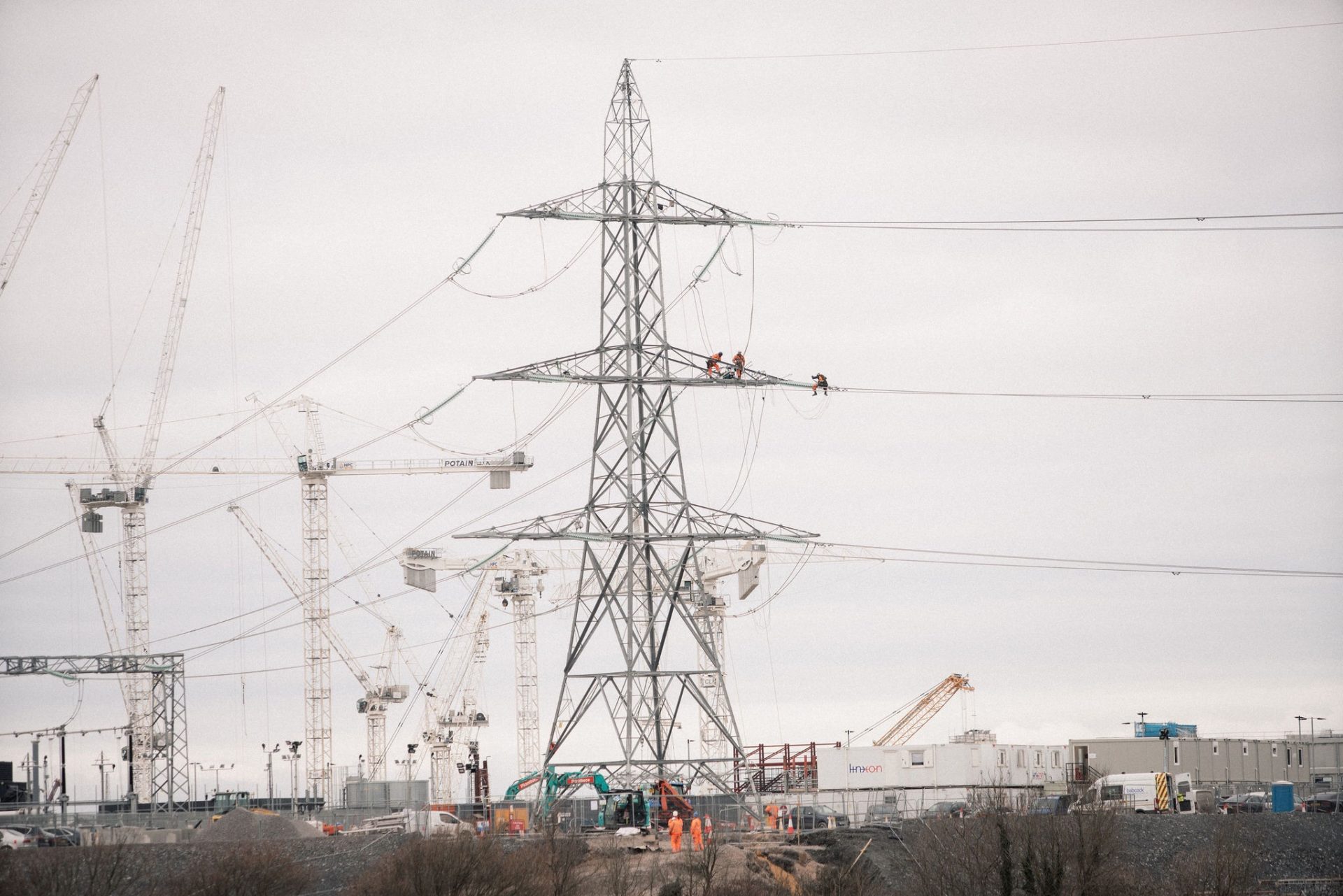
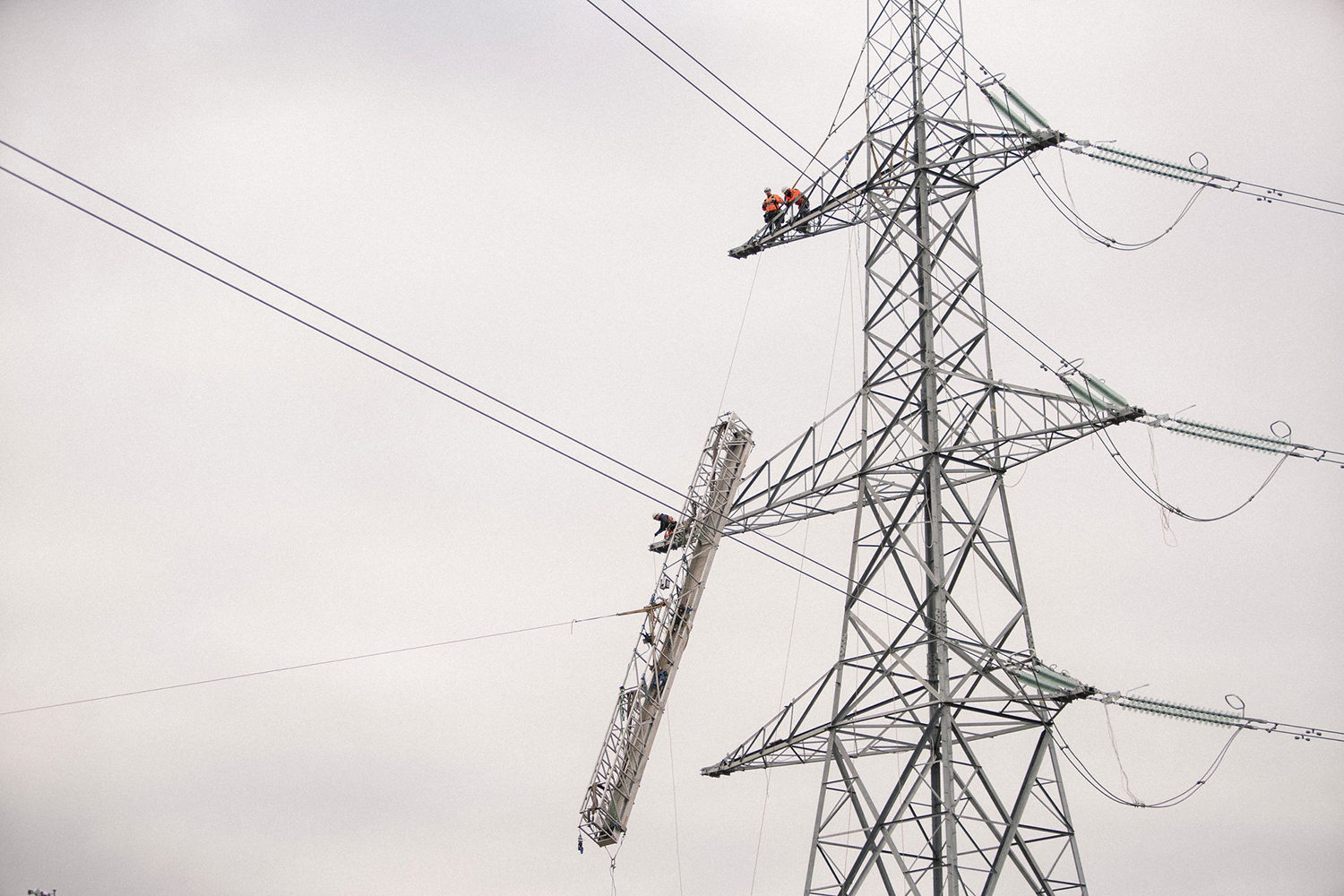
The work will upgrade the existing 275kV overhead line near Stogursey and Shurton
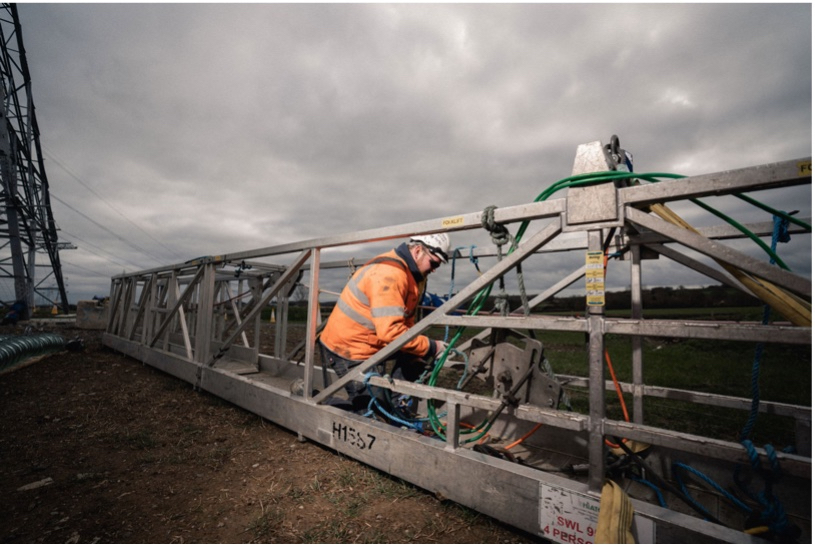
Morrison Energy has been using sustainable methods to secure the ground to support the towers in the Hinkley Connection Project.
The project is creating a new high-voltage electricity connection between Bridgwater and Seabank, near Avonmouth.
The next phase begins in the autumn and will involve connecting T-pylons near Bridgwater to Hinkley Point C, EDF Energy’s new power station in Somerset.
The work will upgrade the existing 275kV overhead line near Stogursey and Shurton to 400kV. It will connect new sources low carbon energy with six million homes and businesses.
This is not a paywall. Registration allows us to enhance your experience across Construction Management and ensure we deliver you quality editorial content.
Registering also means you can manage your own CPDs, comments, newsletter sign-ups and privacy settings.
Morrison Energy Services is helping by using eco-friendly soil stabilisation at tower locations. Many areas of land in the UK are unsuitable for construction as the sub-grade soil contains too much moisture, sand, gravel or has a high clay content.
Key to sustainability is using 32% less aggregate to stabilise the soil
To address this the sub-soil will be mixed and compacted with cement-based binders, causing a thermal reaction, and increasing ground structural and load-bearing properties.
When the soil has hardened aggregate is spread on top. This method uses around 32% less aggregate than traditional methods.
Managing director for Morrison Energy Services’ transmission networks, David Maddocks, said: “The Hinkley project is extremely complex with many interfaces and it is great to see our team working so collaboratively with National Grid and other stakeholders to achieve overall success.
Environmental innovations
“We have been able to demonstrate several environmental innovations, such as soil stabilisation, which have reduced our carbon footprint and reflect our move towards net-zero.”
Other sustainable features on the project include energy self-sufficient, solar-powered, security cabins. These use composite materials to retain heat and have reduced carbon emissions by 86% compared with security cabins using generators.
The project is creating a new high-voltage electricity connection between Bridgwater and Seabank
Rainwater harvesting is providing a third of the water used on site, and this is expected to increase.
Earlier this year, Morrison Energy Services, in partnership with WSP and Adler & Allan, rescued and relocated over 600 fish.
The January/February 2026 issue of Construction Management magazine is now available to read in digital format.
Powered Access
CM, in partnership with IPAF, has launched a new survey to explore the industry’s views and experiences with powered access machines on construction projects.
This is not a first step towards a paywall. We need readers to register with us to help sustain creation of quality editorial content on Construction Management. Registering also means you can manage your own CPDs, comments, newsletter sign-ups and privacy settings. Thank you.