Construction Management is the highest circulation construction-based publication serving the UK built environment.
News
Miller Homes fined £200,000 for polluting watercourse
CM Staff
Image: Environment Agency
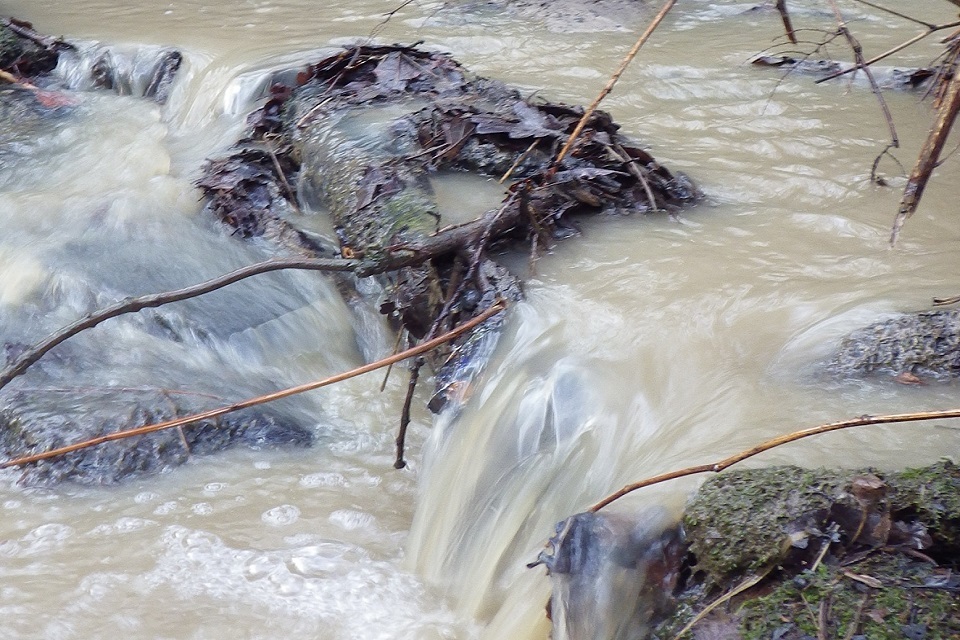
Miller Homes has been fined £200,000 after polluting a Huddersfield watercourse for more than 1km.
Following an Environment Agency investigation, Miller Homes appeared at Leeds Magistrates’ Court on Monday 23 November where it pleaded guilty to polluting a tributary of Grimescar Dyke with silt at Lindley Park on 8 February 2018.
It was fined £200,000, ordered to pay costs of more than £8,500 and a victim surcharge of £170.
The pollution fine is the second incurred by Miller Homes for a similar offence at the same site. It was previously fined £100,000 in 2016 for polluting the dyke.
This is not a paywall. Registration allows us to enhance your experience across Construction Management and ensure we deliver you quality editorial content.
Registering also means you can manage your own CPDs, comments, newsletter sign-ups and privacy settings.
Miller Homes purchased the land for a residential housing development in 2012. The site includes a series of tanks and lagoons for flood prevention measures.
Following reports of discolouration of Grimescar Dyke on 8 February 2018, an Environment Agency investigation traced the source of the silt pollution to an underground tank on the Miller Homes site, which is part of the development’s flood prevention measures.
Miller Homes said it had the site drainage infrastructure cleared by a contractor and this activity could have potentially impacted on the discharge from the tank.
The silt discharge impacted Grimescar Dyke for at least 1.2km. Silt pollution is hazardous to fish, blocking their gills and damaging breeding grounds. It can also damage the habitats that aquatic insects, vital food for a number of species, depend on.
Andy Swettenham, environment management team leader for the Environment Agency, said: “Miller Homes did not follow its own management procedures, put in place after a previous conviction.
“Their own procedures dictate that the site should have a site specific environment plan and associated surface water management plan. These plans did exist but were not sufficient to prevent the pollution.
“This case emphasises the need not only for companies to have a comprehensive water management and pollution prevention plan in place but also to ensure it is fully implemented and all activities on site are properly supervised and monitored.
“If a member of the public had not reported this to us then the impact of the pollution could have been far worse.”
The January/February 2026 issue of Construction Management magazine is now available to read in digital format.
Powered Access
CM, in partnership with IPAF, has launched a new survey to explore the industry’s views and experiences with powered access machines on construction projects.
This is not a first step towards a paywall. We need readers to register with us to help sustain creation of quality editorial content on Construction Management. Registering also means you can manage your own CPDs, comments, newsletter sign-ups and privacy settings. Thank you.