Construction Management is the highest circulation construction-based publication serving the UK built environment.
News
In pictures | How the City of London will look in 2030
Cristina Lago Deputy Editor
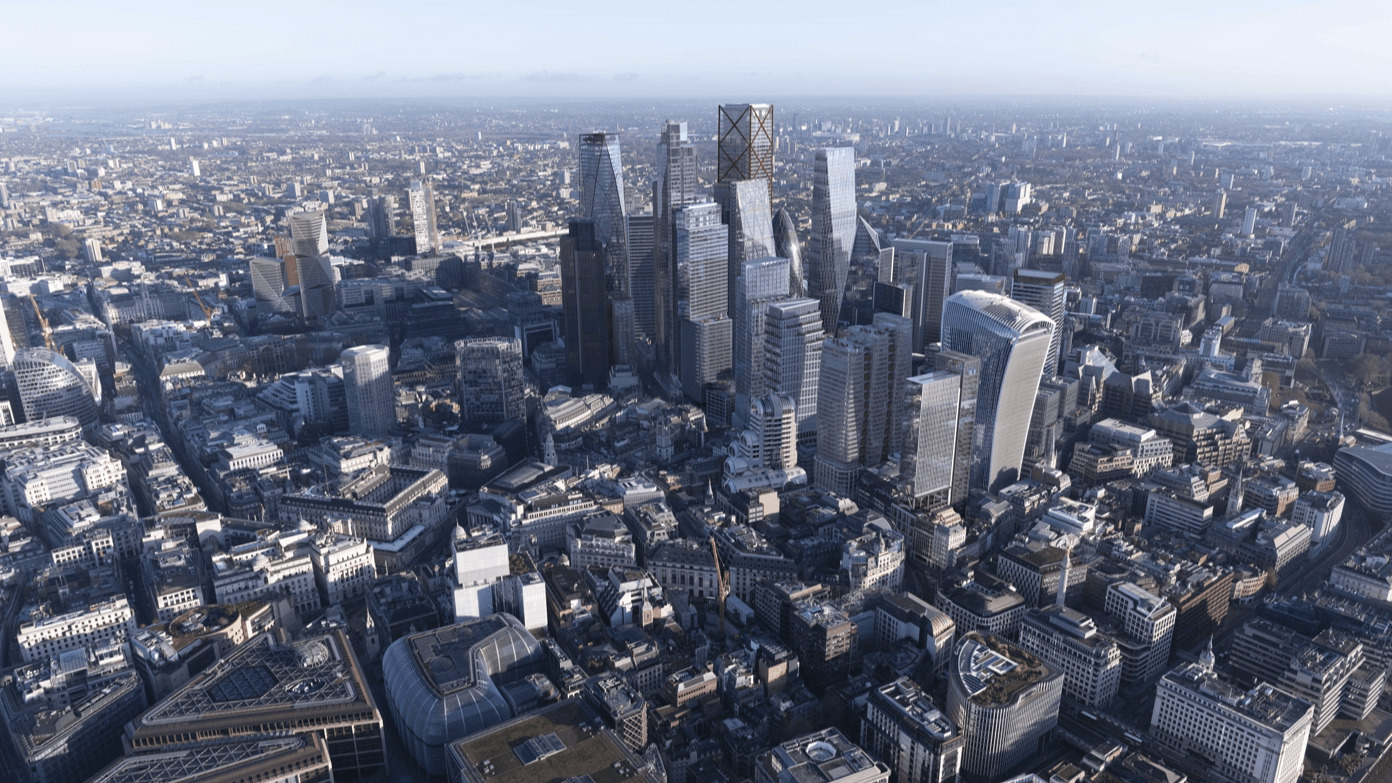
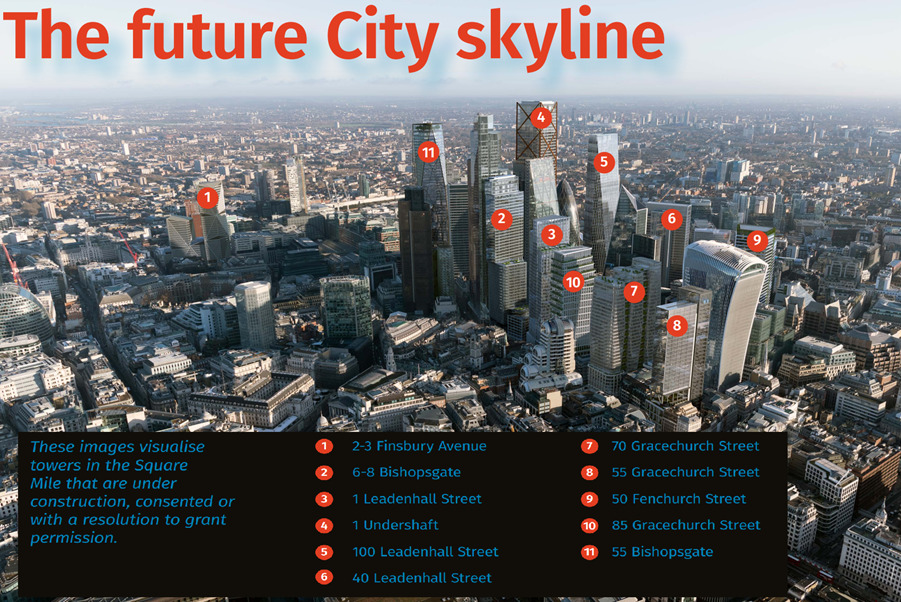
CGI visualising the planned Square Mile’s skyline by the end of the decade (Image: City of London Corporation)
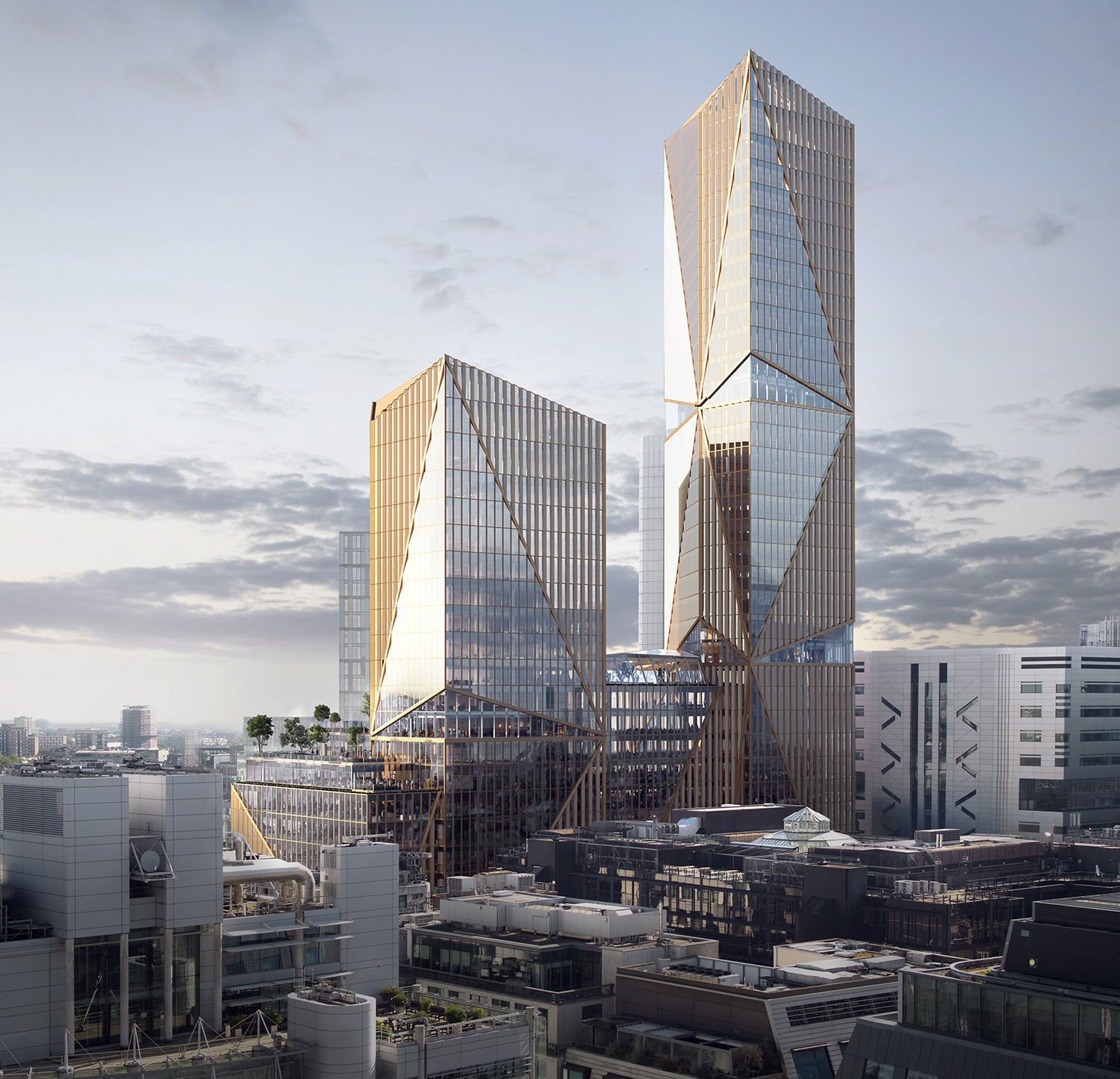
The City of London Corporation has released new images showing how the capital’s financial district could look by 2030.
The computer-generated imagery (CGI) visualises all major developments that have been approved or resolved to be approved by the City Corporation over the past 12 months.
The Corporation’s Planning and Transportation Committee received 25% more applications compared with the same period last year.
This is not a paywall. Registration allows us to enhance your experience across Construction Management and ensure we deliver you quality editorial content.
Registering also means you can manage your own CPDs, comments, newsletter sign-ups and privacy settings.
Most of the tall buildings fall within the ‘City Cluster’ area, located in the eastern corner of the Square Mile, which is already home to some of the capital’s most iconic skyscrapers.
The number of city workers has increased by 29,000 since 2021 and now stands at 617,000, according to the Corporation.
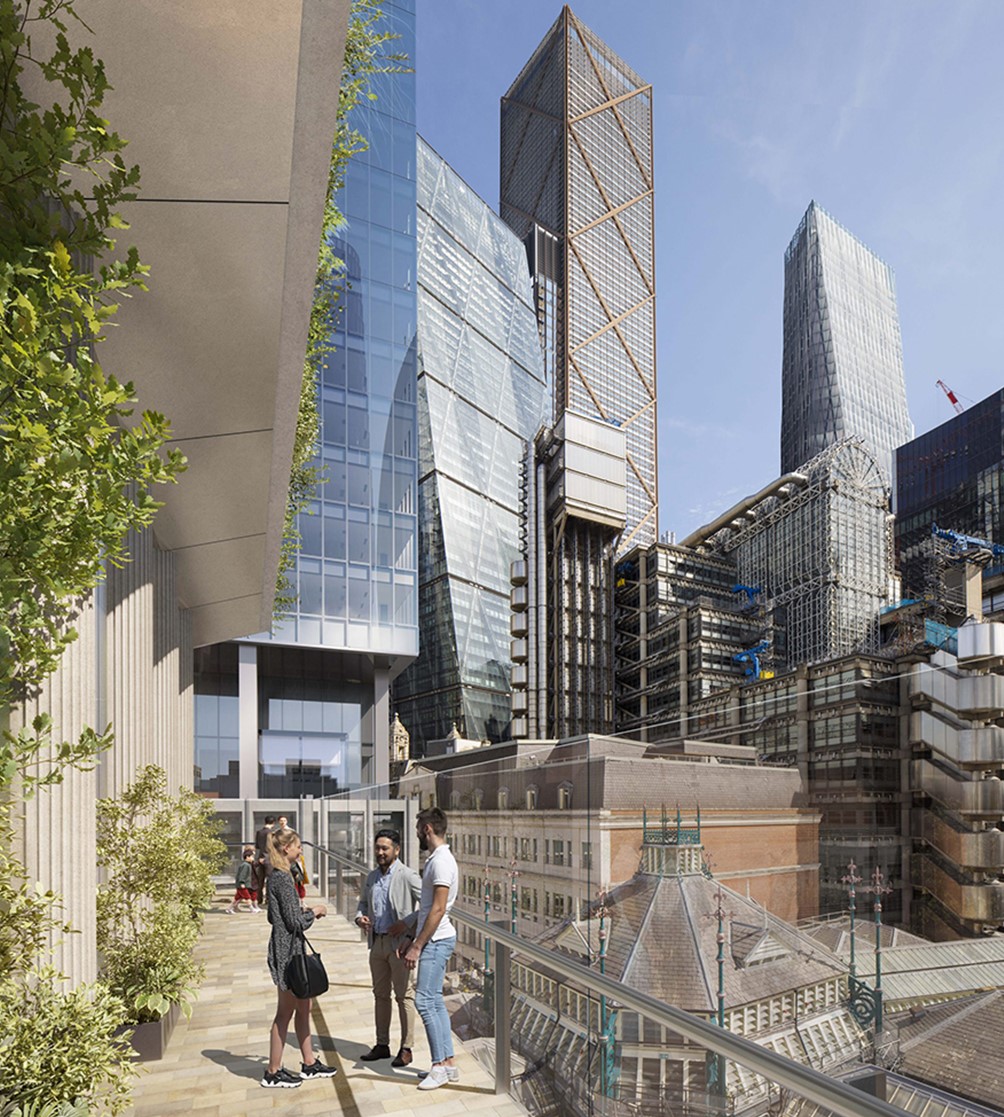
CGI of 85 Gracechurch Street roof terrace (Image: City of London Corporation)
Growing job numbers
Estimates based on Greater London Authority data show that city job numbers should grow by a further 85,000, up to 2040.
This is backed by a report from Arup and Knight Frank, showing a need for approximately 1.2 million sq m of extra office space in the city by 2040, to accommodate this job growth.
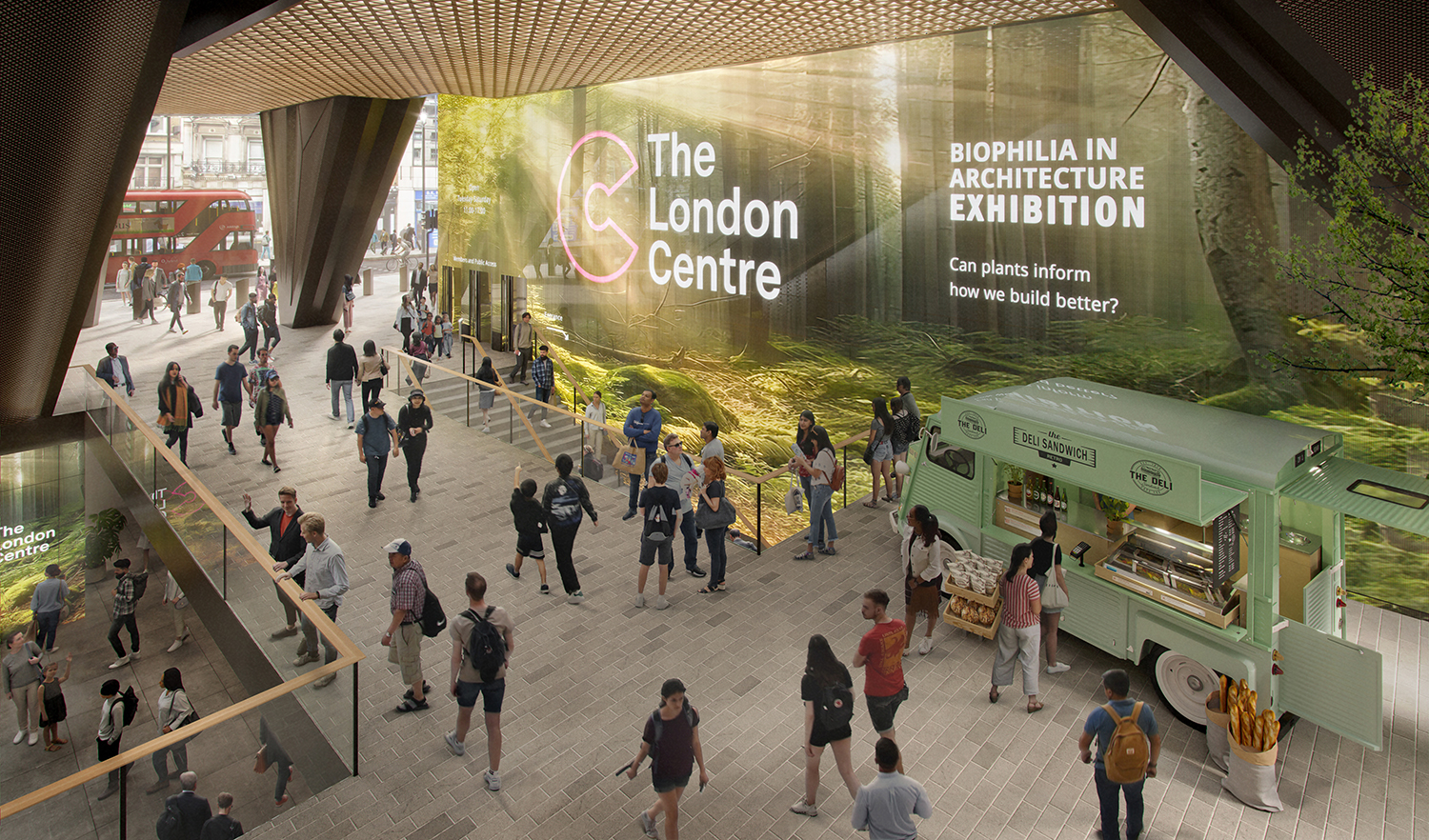
Visualisation of The London Centre at 55 Bishopsgate (Image: City of London Corporation)
In addition to more high-rises, the City Plan 2040 also includes new pedestrian routes and urban green space, more ground floor space for retail and hospitality and more educational, cultural and heritage centres focusing on the City’s history.
Recent tall buildings inaugurated include 8 Bishopsgate (The Lookout) and 22 Bishopsgate (22 Horizon). Both buildings have received more than 70,000 people since opening two months ago, according to the City Corporation.
CGI of 2 Finsbury Avenue (Image: City of London Corporation)
The January/February 2026 issue of Construction Management magazine is now available to read in digital format.
Powered Access
CM, in partnership with IPAF, has launched a new survey to explore the industry’s views and experiences with powered access machines on construction projects.
This is not a first step towards a paywall. We need readers to register with us to help sustain creation of quality editorial content on Construction Management. Registering also means you can manage your own CPDs, comments, newsletter sign-ups and privacy settings. Thank you.