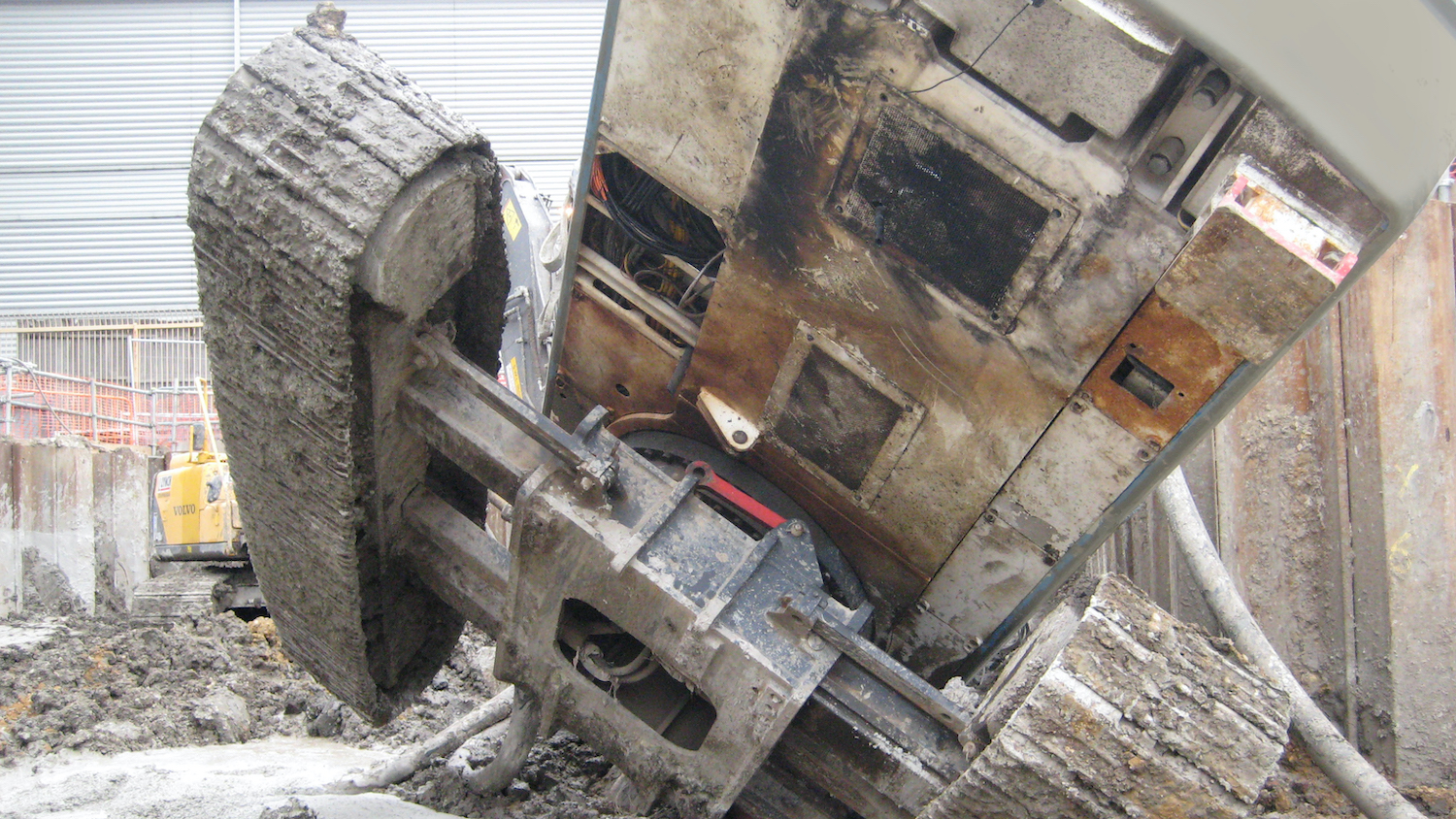
The WPC was launched more than two decades ago to help reduce rig overturning incidents and support international best practice.
This is not a paywall. Registration allows us to enhance your experience across Construction Management and ensure we deliver you quality editorial content.
Registering also means you can manage your own CPDs, comments, newsletter sign-ups and privacy settings.
The newly released guidance contains additional detail on the requirements for design, verification and ongoing maintenance.
It introduces more design data, including information on plant configuration, platform material, drainage provision and geotextile reinforcement.
The guidance also places greater emphasis on sustainability by encouraging designs that consider safety and efficiency, as well as cost and carbon.
A revised inspection log has been incorporated, requiring weekly checks and recording of any repairs or reinstatement after events such as heavy rainfall, excavation or flooding, ensuring that platforms remain compliant throughout their working life.
First line of defence
Commenting on the update, Andy Heathcote, technical director at Keller and lead on the revision, said: “Working platforms remain the first line of defence against rig instability.
“This update ensures the certificate not only reflects current best practice but also addresses emerging issues such as the performance of recycled aggregates, drainage and sustainability in design. It remains a vital tool in raising and maintaining safety standards across our sector.”
Malcolm O’Sullivan, FPS chair, added: “The FPS pioneered the Working Platform Certificate to embed accountability and competence in platform design and management.
“The updated guidance reinforces those principles, ensuring that safety remains at the heart of piling and geotechnical operations.”
The WPC/4e and accompanying guidance are available here.