The aim is to prevent developers from evading responsibility for building safety remediation through complex corporate structures.
This is not a paywall. Registration allows us to enhance your experience across Construction Management and ensure we deliver you quality editorial content.
Registering also means you can manage your own CPDs, comments, newsletter sign-ups and privacy settings.
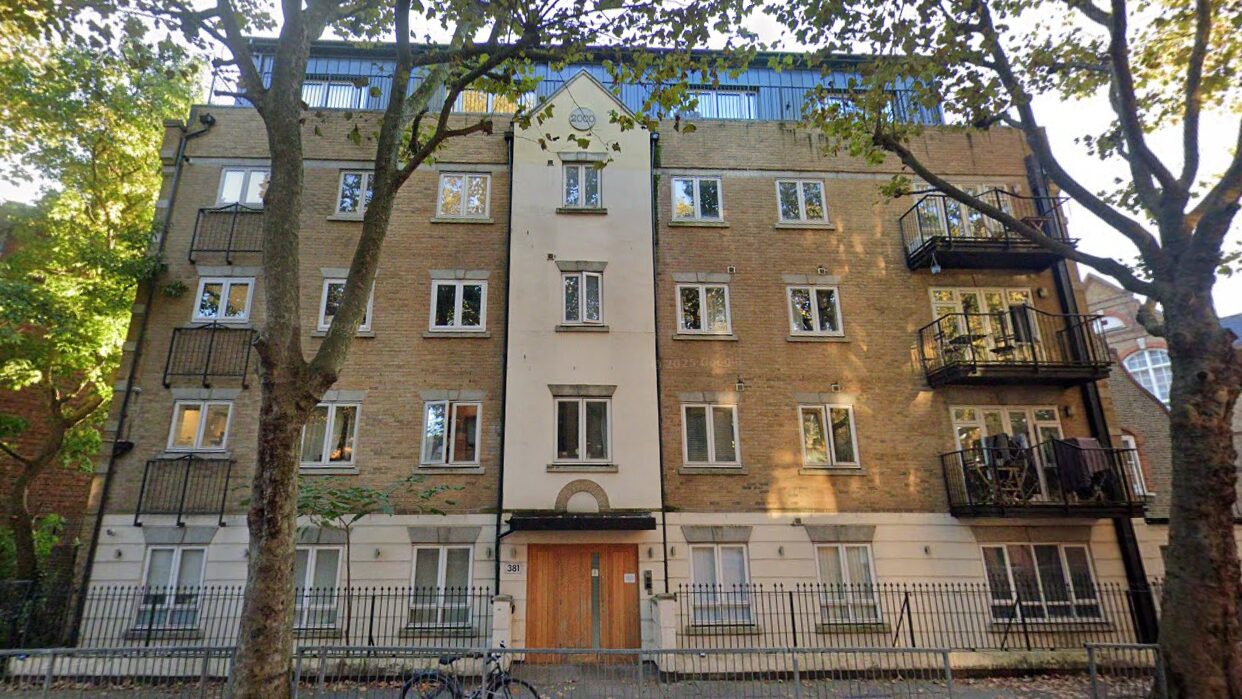
The case, 381 Southwark Park Road RTM Company Ltd and others v Click St Andrews Ltd (in liquidation) and another company, relates to defects and damage at St Andrews House, a residential block in southeast London.
A group of leaseholders in a right to manage company (RTM) brought a claim against the freehold owner at the time and developer, Click St Andrews Ltd.
Special purpose vehicle
Click St Andrews is a special purpose vehicle – a subsidiary company formed to undertake a specific business purpose. The company was a wholly owned subsidiary of Click Group Holdings Ltd, the second defendant in the case.
The RTM company, together with some other leaseholders, brought claims under the Defective Premises Act 1972 to get a BLO under the BSA, in addition to further claims for breach of covenant, breach of agreement, and claims for nuisance and negligence.
The defendants denied any liability. Click St Andrews did not take part in the case after going into liquidation shortly after the proceedings started.
The court found that Click St Andrews was liable for building safety risks due to structural issues. It said that fire and structural safety breaches constituted a “building safety risk”, establishing a “relevant liability” under section 130 of the BSA.
This finding paved the way for a BLO to be issued against Click Group Holdings, the parent company of Click St Andrews, the original developer.
Although Mrs Justice Jefford handed down a judgment last year giving guidance on a BLO in Willmott Dixon v Prater, the 381 Southwark Park Road case is believed to be the first BLO issued under the BSA.