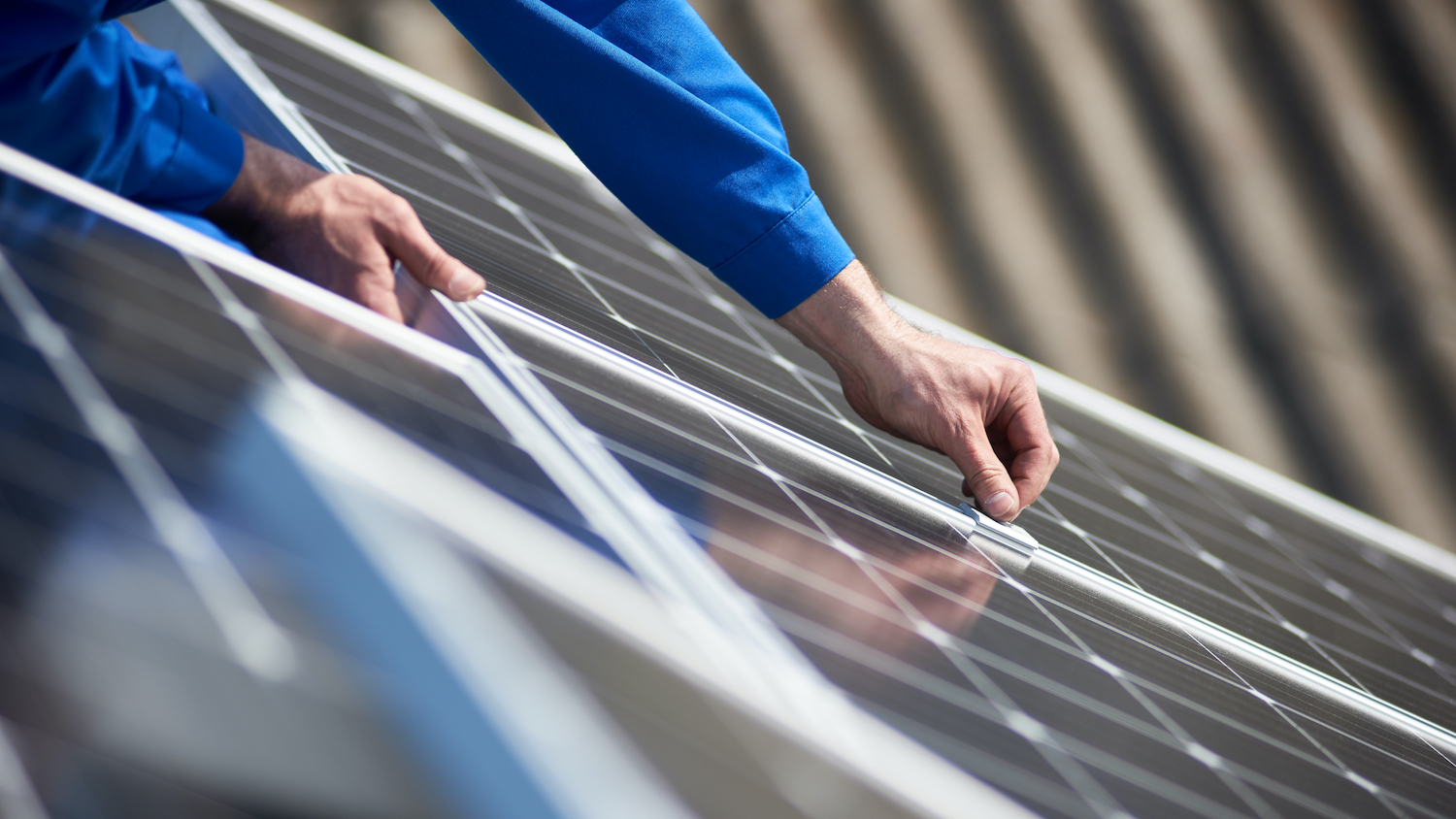
Homeowners are being warned of the dangers of hiring disreputable installers for solar panels, following a series of fires linked to the renewable energy source in the past year.
This is not a paywall. Registration allows us to enhance your experience across Construction Management and ensure we deliver you quality editorial content.
Registering also means you can manage your own CPDs, comments, newsletter sign-ups and privacy settings.
The report added that poor installation and incompatible components can allow external influences to directly affect the safety of the installation, such as allowing moisture and water ingress into components, leading to arcing and the potential for fire.
Poor planning at the design stage can also impact the potential fire risk. For example, installing the PV panels directly onto a combustible roof can facilitate early and rapid fire spread from an incident.
Another potential issue is installing PV panels on a roof which cannot carry the increased weight loading, resulting in deflection or even collapse.
Choosing a reputable installer
In the last year, fires attributed to solar panels included a Lidl warehouse in Peterborough, a seven-storey block of flats in Lewisham, south-east London, and a primary school in Cramlington in Northumberland.
Dougie Barnett, director of commercial customer risk management at AXA UK, said: “Solar panels are a relatively new technology, and people aren’t aware of the need for regular maintenance in the same way as they are with their gas boiler.
“They tend to put them on the roof and forget about them, but that creates a considerable risk, as we’ve seen with these recent fires.
“The two most important considerations with solar panels are choosing a reputable installer who is registered with the Microgeneration Certification Scheme, and ensuring the system is well maintained.
“Having the right equipment and servicing it regularly will reduce the risk of fire, identify any weather damage early and ensure that it is working properly. The transition to net zero means renewable energy sources will become more commonplace, so it’s important to raise awareness of the associated risks.”