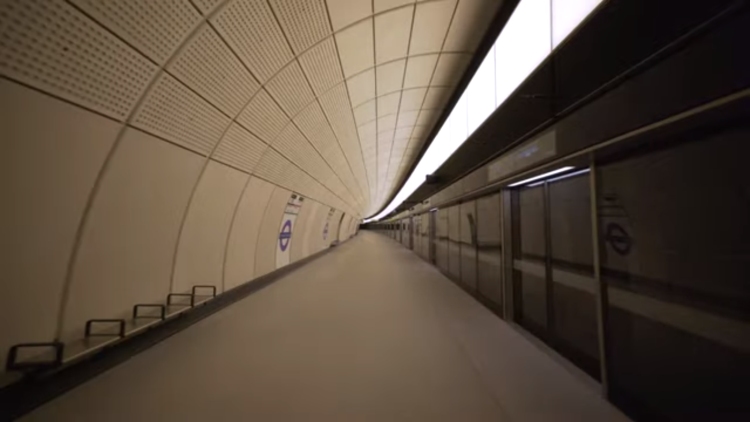
MPs pointed out that Crossrail will have cost around £19bn by the time passengers can travel the full length of the Elizabeth Line, including £2.9bn in loans from the taxpayer to Transport for London (TfL) and the Greater London Authority (GLA) to fund Crossrail’s costs.
This is not a paywall. Registration allows us to enhance your experience across Construction Management and ensure we deliver you quality editorial content.
Registering also means you can manage your own CPDs, comments, newsletter sign-ups and privacy settings.
Since the Committee’s last report on the Crossrail programme in July 2019, the forecast cost has increased by a further £1.9bn to £18.9bn, and the opening date for the central section of the Elizabeth line has also been delayed by a further 10 to 20 months, it said.
Twelve trains an hour are now running through the central section of Crossrail as part of the first stage of operational testing. A significant software update is needed before Crossrail can move to the next phase of testing where 24 trains an hour can run. This was expected to have been completed this summer but was delayed by up to eight weeks.
Five of the nine central section stations have been handed over to either Rail for London Infrastructure (RfLi) or London Underground, but Canary Wharf and Bond Street are yet to be completed. The programme was spending around £56m a month in the six months to March 2021, according to the National Audit Office, so any further delays could create significant cost increases, MPs warned.
Meanwhile, the Committee’s report warned that the fall in expected passenger numbers as a result of more people working from home following the coronavirus pandemic meant a potential £150m funding shortfall. The Department for Transport expects £750m of loans to Crossrail to be paid, separate from £4bn of loans from government to support TfL during covid, all of which has to be repaid from TfL’s own revenues.
Nearly three quarters (72%) of TfL’s income came from fares before the pandemic, however this revenue has since plummeted, with TfL estimating an ongoing 18% fall in demand for rail by 2031 compared to pre-pandemic forecasts, leaving TfL needing to identify new revenue streams to pay off its debts.
Dame Meg Hillier, chair of the Public Accounts Committee, said: “We are finally, thankfully seeing a clearer sense of ownership, responsibility, and determination to complete the Crossrail programme from those in charge but there remains a serious, £150 million funding gap to finish the programme. There must be a focus now on finding real solutions to this.
“With fares down because of the ongoing impact of Covid we also need more clarity on the plans and timescale for repaying the significant government loans.”