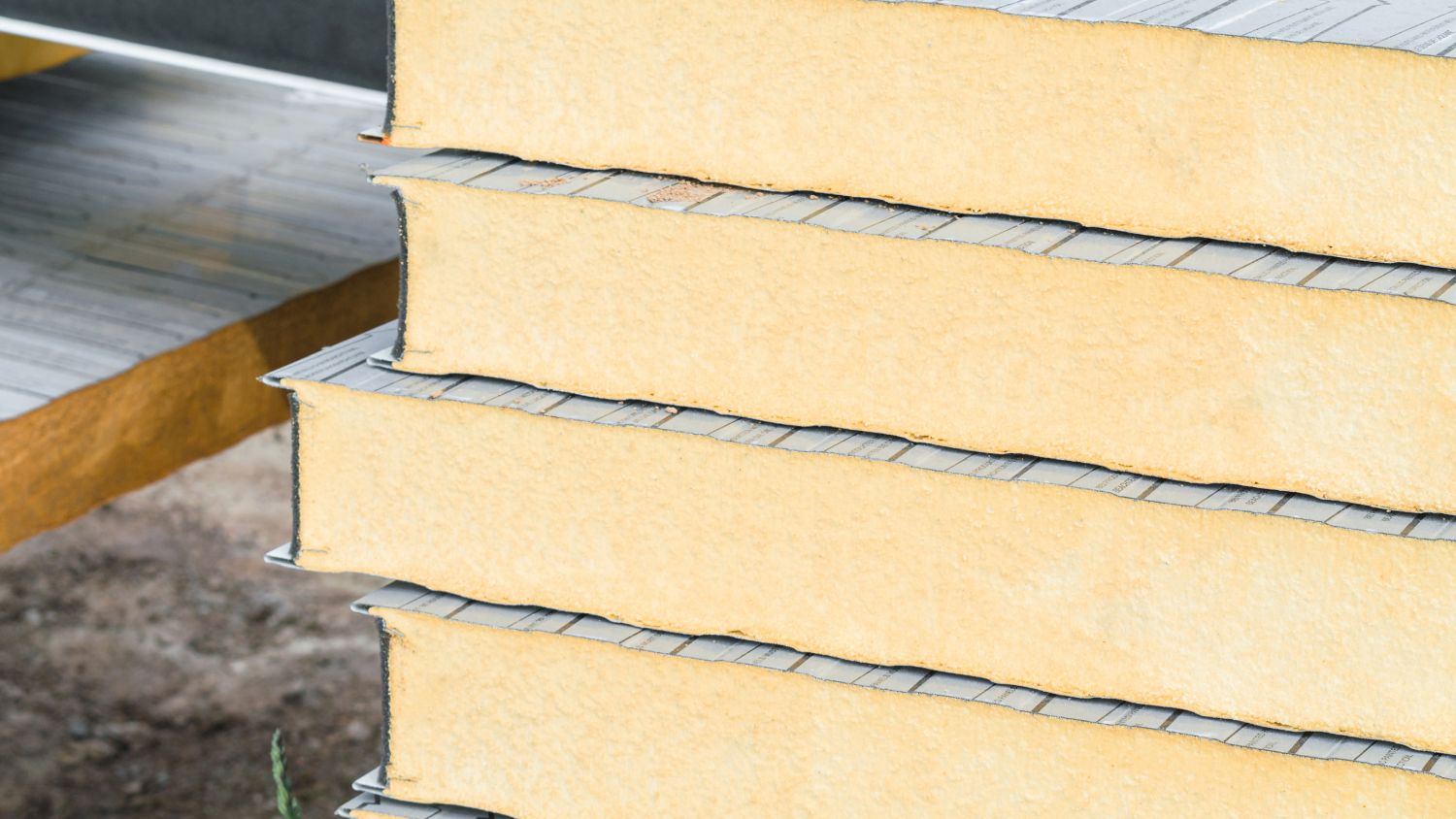
Rigid PIR insulation boards are often used on external ductwork.
But it is warning that PIR is also combustible and can pose a danger when used on internally located ductwork.
This is not a paywall. Registration allows us to enhance your experience across Construction Management and ensure we deliver you quality editorial content.
Registering also means you can manage your own CPDs, comments, newsletter sign-ups and privacy settings.
Cost cutting
TICA said it suspected that some contractors are using PIR insulation on ductwork inside buildings to reduce costs. Phenolic duct insulation, which is a safer alternative, is also more expensive.
In addition to demanding a ban, the association also called for companies awarding contracts to “take more responsibility”. It urged them to check the credentials of insulation materials inside their buildings.
Chris Ridge, TICA’s technical policy manager, said: “Are contractors who continue to use PIR boards on internal duct systems wilfully turning a blind eye, or are they ignorant of the facts concerning the products they are installing?
“Either way, the use of PIR board on internal ductwork systems needs to end. The current economic climate, where spiralling costs are impacting many businesses, is no excuse for prioritising the use of cheaper, potentially dangerous materials at the expense of people’s safety.
He added: “The responsibility for ensuring compliance cannot begin and end with the specialist contractor and those awarding such contracts need to play their part. In the case of thermal insulation, mechanical and electrical contractors should be checking the credentials of the insulation product applied and asking more questions of their insulation contractors.”