Construction Management is the highest circulation construction-based publication serving the UK built environment.
News
Construction suicides at highest levels since analysis began
Neil Gerrard Associate editor
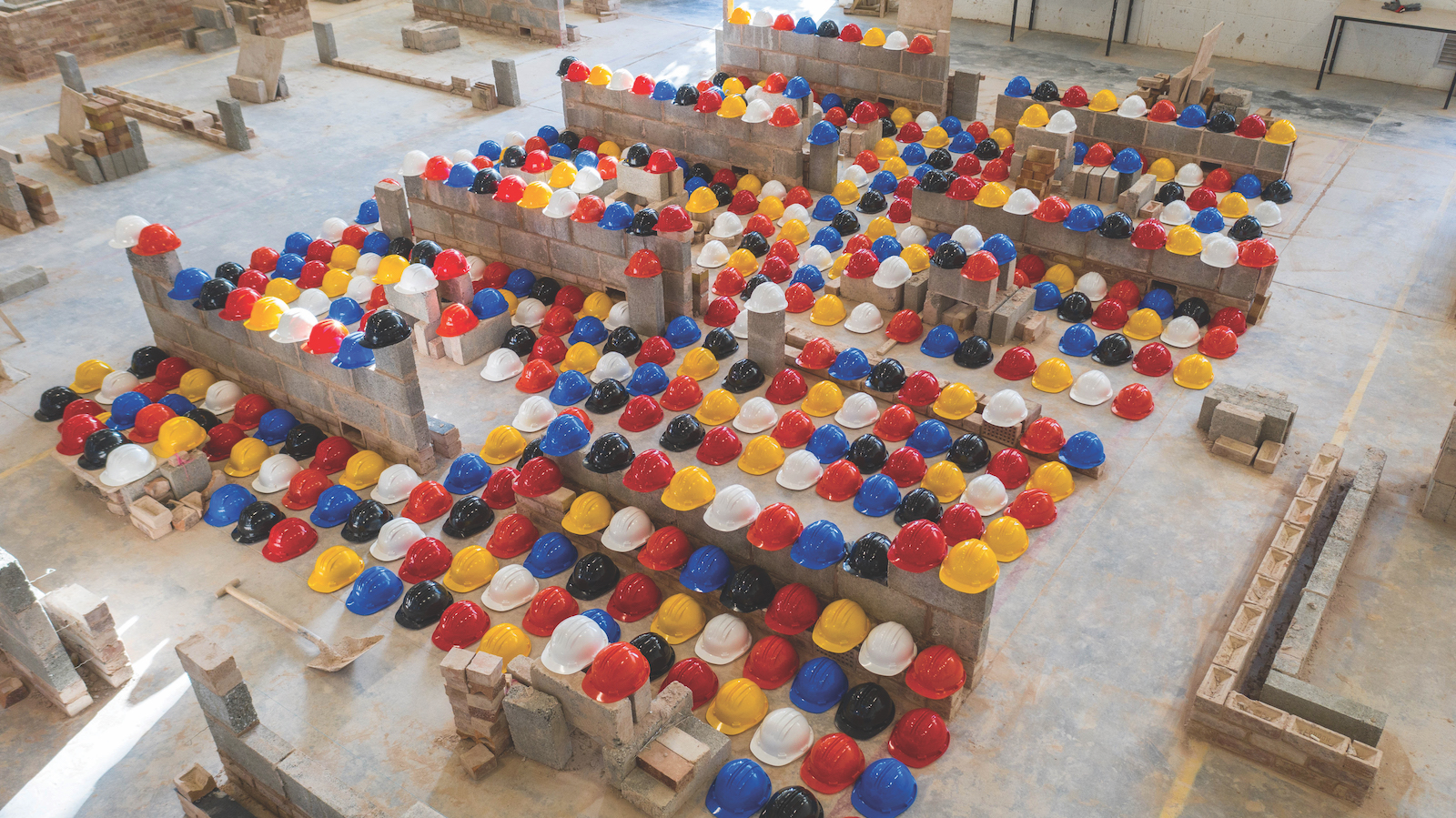
54 hard hats laid out at the Leeds College of Building to represent the number of construction workers who commit suicide every year. Photo credit: SWNS
Construction suicides in England and Wales have hit their highest level since analysis began.
That is according to data compiled by professor Billy Hare of Glasgow Caledonian University (GCU), which shows the suicide rate for construction occupations in England and Wales in 2021 was 34 per 100,000 in employment.
Professor Hare, director of GCU’s BEAM research centre, has been working with construction industry charity Lighthouse to analyse these yearly figures since 2017, after the publication of the Stevenson/Farmer report into workplace mental health first highlighted the data.
This is not a paywall. Registration allows us to enhance your experience across Construction Management and ensure we deliver you quality editorial content.
Registering also means you can manage your own CPDs, comments, newsletter sign-ups and privacy settings.
Each year, the Office for National Statistics (ONS) publishes suicide numbers by Standard Occupation Code (SOC), which professor Hare uses to calculate the rate per 100,000 employed in construction for comparison.
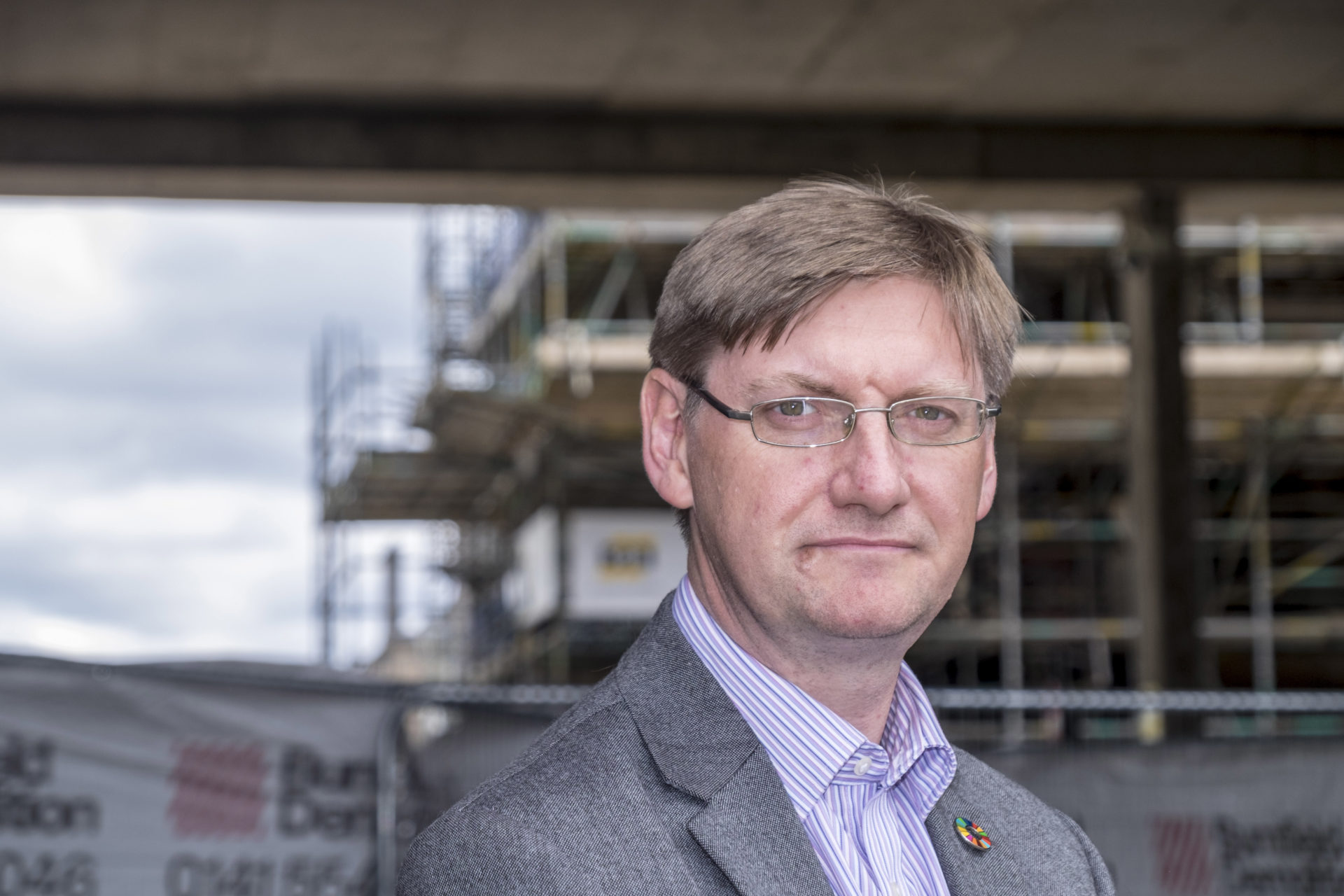
Professor Billy Hare (Image: Peter Devlin)
His latest research identified that the number of suicides in construction rose from 26 to 34 per 100,000 in the seven years to 2021. The figures mean that construction workers were nearly four times more likely to take their own life compared with other sectors last year.
Call for Scottish figures
Now professor Hare has called on the Scottish government to publish its own figures on construction suicides.
He said: “While it is unwise to react to a single year’s figures, the long-term rate of suicides is regrettably on an upward trajectory for those working in the construction industry, despite all the good work being done in recent years. This means we need to dig deeper to find and address the true root causes, and take collective action sooner rather than later.
“I would now urge the Scottish government to publish comparable Scottish data and stop using our smaller population as an excuse for inaction. The Welsh government publishes this data and I think it is in the public interest that we in Scotland see, at the very least, the Scottish construction occupational data for the same period."
Bill Hill, CEO of the Lighthouse Construction Industry Charity, said: "More than 87% of our construction workforce are male and more than 50% of the sector is made up of self-employed, agency staff or zero-hour contract workers. Financial insecurity is a major factor for poor wellbeing in our workforce and the pandemic added greater anxiety and emotional burden.
“The industry and charities like ours have made huge strides in recognising and delivering programmes to improve wellbeing but the results from 2021 simply galvanise our resolve to do more. Our messages of support are not reaching the boots on the ground. We all have a moral responsibility and an economic imperative to work together to improve the wellbeing and welfare or our workers.”
The January/February 2026 issue of Construction Management magazine is now available to read in digital format.
Powered Access
CM, in partnership with IPAF, has launched a new survey to explore the industry’s views and experiences with powered access machines on construction projects.
This is not a first step towards a paywall. We need readers to register with us to help sustain creation of quality editorial content on Construction Management. Registering also means you can manage your own CPDs, comments, newsletter sign-ups and privacy settings. Thank you.