Construction Management is the highest circulation construction-based publication serving the UK built environment.
News
Building safety concerns mount due to design risk skills shortage
CM Staff
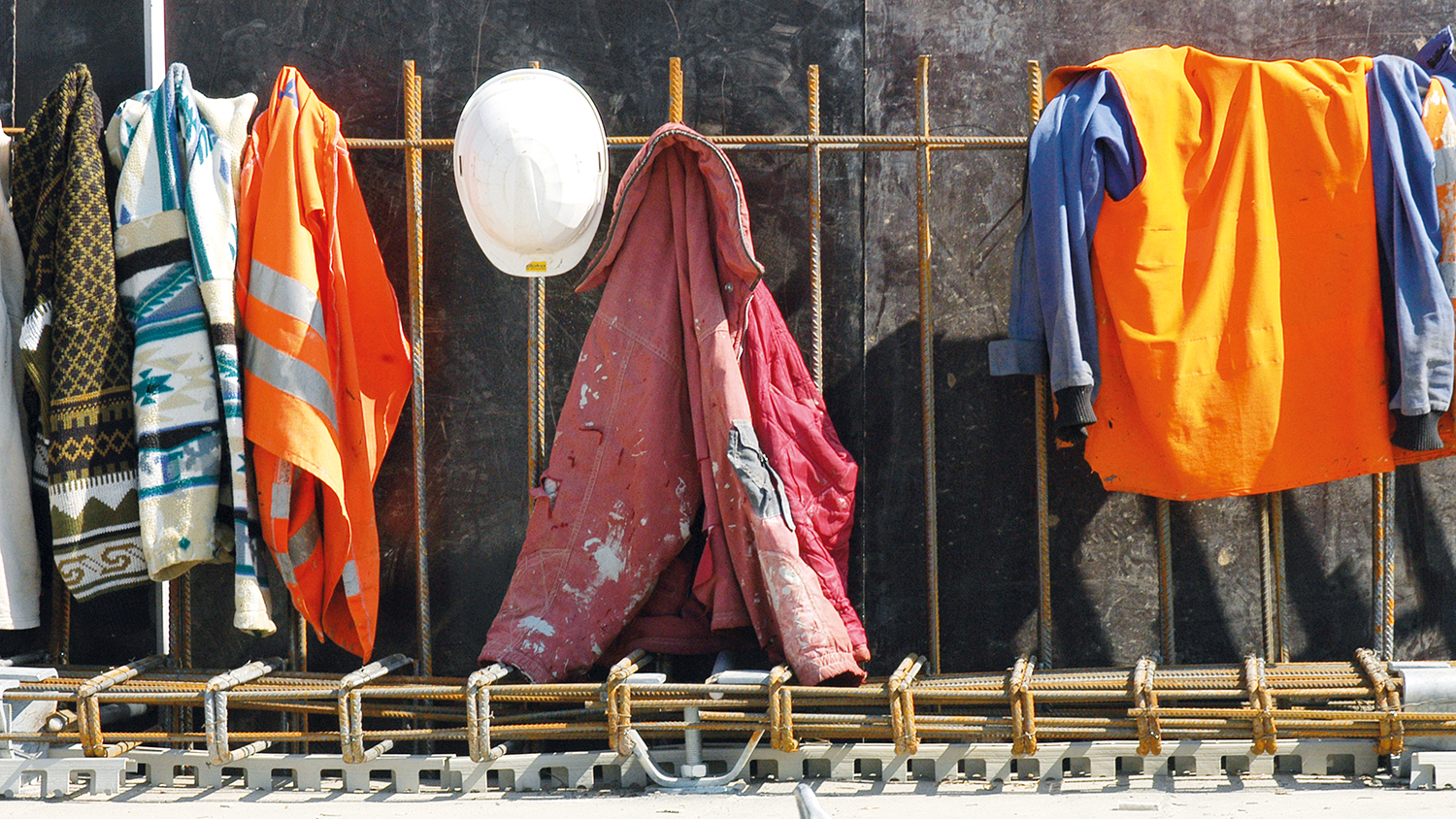
Design risk professionals are in short supply (image: Dreamstime)
The UK’s built environment is in danger of becoming less safe because the industry is failing to attract new design risk professionals.
That's the warning from the Association for Project Safety (APS) after a survey of members showed that job vacancies in construction design risk management are being filled by people moving from firm to firm and not by increasing the talent pool. Other concerns highlighted include an aging workforce and a dearth of candidates due to Brexit.
APS represents around 3,500 professionals working in construction health and safety risk management. Its members are closely involved in planning the safe design and construction of building projects, a process which has come under intense scrutiny since the Grenfell fire and subsequent Building Safety Act.
This is not a paywall. Registration allows us to enhance your experience across Construction Management and ensure we deliver you quality editorial content.
Registering also means you can manage your own CPDs, comments, newsletter sign-ups and privacy settings.
The survey, which was published this month, found:
vacancies in construction design risk management being filled but at increased cost and possibly reduced levels of skill and experience;
the pool of candidates comes from people already working in the UK industry, with little sign of fresh blood; and
an employment timebomb, with people leaving their jobs, often to retire, or with plans to stop work in the next three years.
APS president Ray Bone said: “Construction safety is at risk because fewer new people are coming into the industry. People are getting tapped on the shoulder and leaving an existing role in the construction industry to go to new jobs for higher salaries.
“The construction sector is consuming itself – it’s eating its own tail. This can’t go on indefinitely as the pool of well-qualified and experienced construction safety professionals is drying up. That group is aging and thinking about retiring and there just isn’t the new blood coming in behind them to make sure the UK’s construction sector stays safe in the future.”
This could have serious consequences for everyone involved in the built environment, said Bone.
“APS is calling on the government to help in the medium term by taking another look at the people we are able to attract from the European Union so the industry can bring in fresh people while it works to develop home-grown talent of our own,” said Bone.
The research also showed members were:
England-based: 84% live and work in England with a concentration based in London and the south east (32%);
mature workers: 81% are older workers (45-75), with just under half of those saying they are going to retire or planning to in the next three years; and
white and male: 80% identify as both white and male. Only 4% said their roots are in any of the key minority ethnic communities and just 16% identified as female.
The January/February 2026 issue of Construction Management magazine is now available to read in digital format.
Powered Access
CM, in partnership with IPAF, has launched a new survey to explore the industry’s views and experiences with powered access machines on construction projects.
This is not a first step towards a paywall. We need readers to register with us to help sustain creation of quality editorial content on Construction Management. Registering also means you can manage your own CPDs, comments, newsletter sign-ups and privacy settings. Thank you.