Construction Management is the highest circulation construction-based publication serving the UK built environment.
News
Arup to undertake whole life carbon assessments for all buildings
Neil Gerrard Associate editor
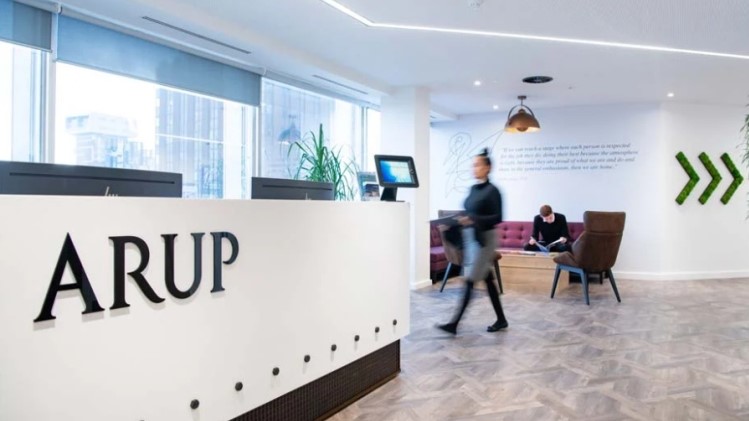
(Image courtesy of Arup)
Arup has pledged to undertake whole lifecycle carbon assessments for all its building projects – both new and retrofit – from next year.
The move to boost its environmental credentials came as Arup also announced it would not take on any new energy commissions involving hydrocarbon-based fuels.
Arup said it expected to conduct thousands of whole lifecycle carbon assessments each year, from April 2022. It is also committed to developing a methodology to extend whole lifecycle carbon assessments to its infrastructure work for clients without delay.
This is not a paywall. Registration allows us to enhance your experience across Construction Management and ensure we deliver you quality editorial content.
Registering also means you can manage your own CPDs, comments, newsletter sign-ups and privacy settings.
Whole lifecycle carbon assessments incorporate both embodied and operational carbon. In a recent report, Arup and the World Business Council for Sustainable Development suggested that as much as 50% of the whole lifecycle carbon emissions from buildings are from embodied carbon, generated from the manufacturing and transport of materials and the construction process.
The firm said it has been estimated that less than 1% of building projects are currently evaluated in a way that quantifies the scale and source of carbon emissions generated during their lifespans – a step which it said was “essential” if the most effective decarbonisation actions are to be identified.
It argued that adopting whole lifecycle carbon assessment is the next step to allowing the global buildings sector to progress toward 50% carbon emissions reduction by 2030.
Arup chairman Alan Belfield said: “Whole lifecycle carbon assessment is the next step that must be taken to unlock decarbonisation of the built environment at scale. Our commitment to undertaking whole lifecycle carbon assessment for all of our buildings work means that for the first time we will have the data to share with our clients and with industry partners about the precise actions to be taken to decarbonise buildings – new or existing – most effectively.”
The January/February 2026 issue of Construction Management magazine is now available to read in digital format.
Powered Access
CM, in partnership with IPAF, has launched a new survey to explore the industry’s views and experiences with powered access machines on construction projects.
This is not a first step towards a paywall. We need readers to register with us to help sustain creation of quality editorial content on Construction Management. Registering also means you can manage your own CPDs, comments, newsletter sign-ups and privacy settings. Thank you.