University of Bath professor of zero carbon design David Coley and Labour MP John Cryer, a member of the All-Party Parliamentary Climate Change Group, have co-authored an essay on the subject entitled Are buildings evil?.
The report highlights the need to reframe as “indefensible” the widespread usage of materials and design features that do not drastically lower energy usage and carbon emissions.
This is not a paywall. Registration allows us to enhance your experience across Construction Management and ensure we deliver you quality editorial content.
Registering also means you can manage your own CPDs, comments, newsletter sign-ups and privacy settings.
It also calls on the government to incentivise zero-carbon building through mechanisms such as tax relief, and to make efforts to educate and shift public opinion toward zero-energy projects
It urges construction clients, architects, contractors and planners to consider building projects from a moral standpoint based on their lifetime carbon impact.
Coley argues that society must look at its buildings as harmful emitters and consider that a disproportionate amount of this harm, in the form of rising sea levels and temperatures too high to farm crops, will fall on the non-white population of the global south.
“The largest proportion of our carbon emissions come from our buildings, not industry or transport, as is often assumed. We know how to build, and have built, some exemplary low-energy buildings, so our failure to adopt them as the norm can be viewed as deliberate.”
David Coley, University of Bath
He says that designing and constructing energy-intensive buildings fuels “global climate injustice” and is therefore “morally offensive”, and potentially a form of “unconscious institutional racism”.
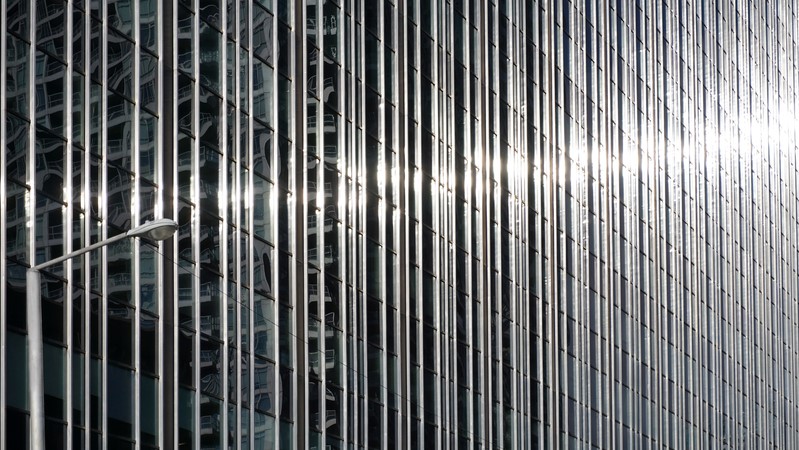
The report proposes reviewing the use of common design elements including high levels of glazing and excessive use of steel and concrete, and increasing renewable energy generation from buildings. Coley points to research showing that even triple-glazed windows lose 10 times the heat a well-insulated wall of the same area does. He estimates that a large building walled entirely with double-glazed windows could ‘leak’ as much energy overnight, even when not in use, as the average daily consumption of 1,500 UK homes.
The essay is part of the Net Zero Exchanges collection published by the All-Party Parliamentary Climate Change Group and Policy Connect, which brings together academics and politicians to explore pressing issues related to the UK’s global climate commitments in the run-up to the COP26 conference.
Coley said: “We urgently need to rethink our approach to construction and adopt zero-energy practices. The largest proportion of our carbon emissions come from our buildings, not industry or transport, as is often assumed. We know how to build, and have built, some exemplary low-energy buildings, so our failure to adopt them as the norm can be viewed as deliberate.
“Highlighting the link between emissions and buildings is key to putting sustainability at the heart of architecture and design. This comes down to what our values really are, and how we develop innovative future designs that are both impressive but also zero-energy.
“In short, rather than seeing low-energy design as an engineering issue, we need to focus on the truth – it is a moral issue. If we can do this, architects will naturally design sustainable buildings and developers will insist on them, in part to protect their investment. Once energy use and carbon emissions are linked to morality and aesthetics, they become reputational and legacy issues, not engineering ones.”
He added: “Deep changes in society are often triggered by a popular movement or demand, and public opinion has the power to force developers to prioritise sustainability. We need the public to demand zero-energy buildings, developers to set zero-energy briefs and architects to draw zero-energy buildings – and all because they find anything else unacceptable, even repulsive.”
The essay is available to download and read here: https://www.policyconnect.org.uk/research/net-zero-exchanges-connecting-policy-and-research-climate-action