Construction Management is the highest circulation construction-based publication serving the UK built environment.
News
Aecom delivers recycled Serpentine Pavilion
CM Staff
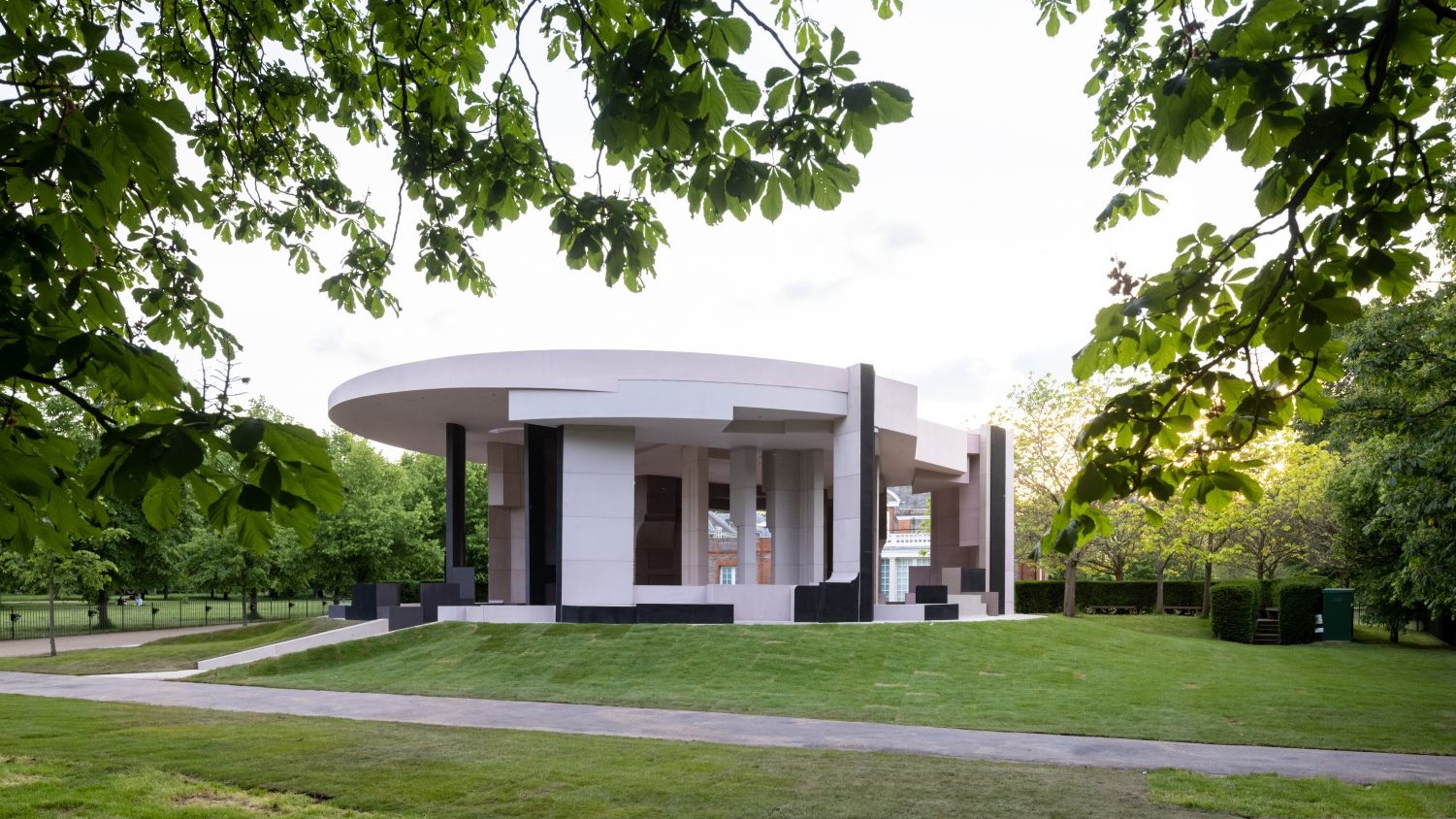
The Serpentine Pavilion 2021, designed by Counterspace and engineered by Aecom
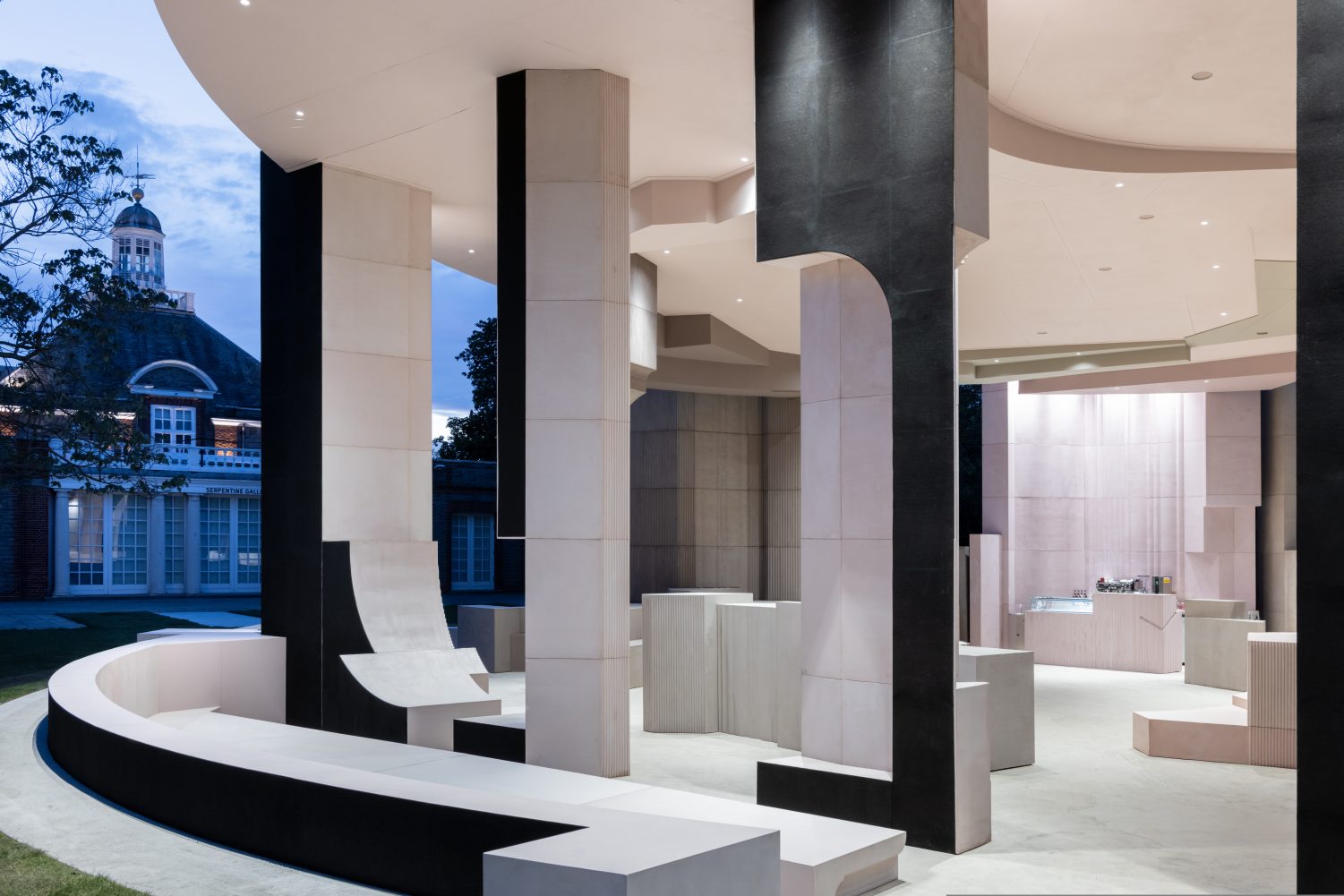
Aecom has engineered its eighth Pavilion project for the Serpentine Galleries in London, delivering an abstract structure made from recycled materials, designed by Johannesburg-based architect Counterspace.
The Pavilion has been built by contractor Stage One with the support of technical advisor David Glover.
The primary structure is made from steelwork salvaged from other projects and pre-fabricated offsite by Stage One.
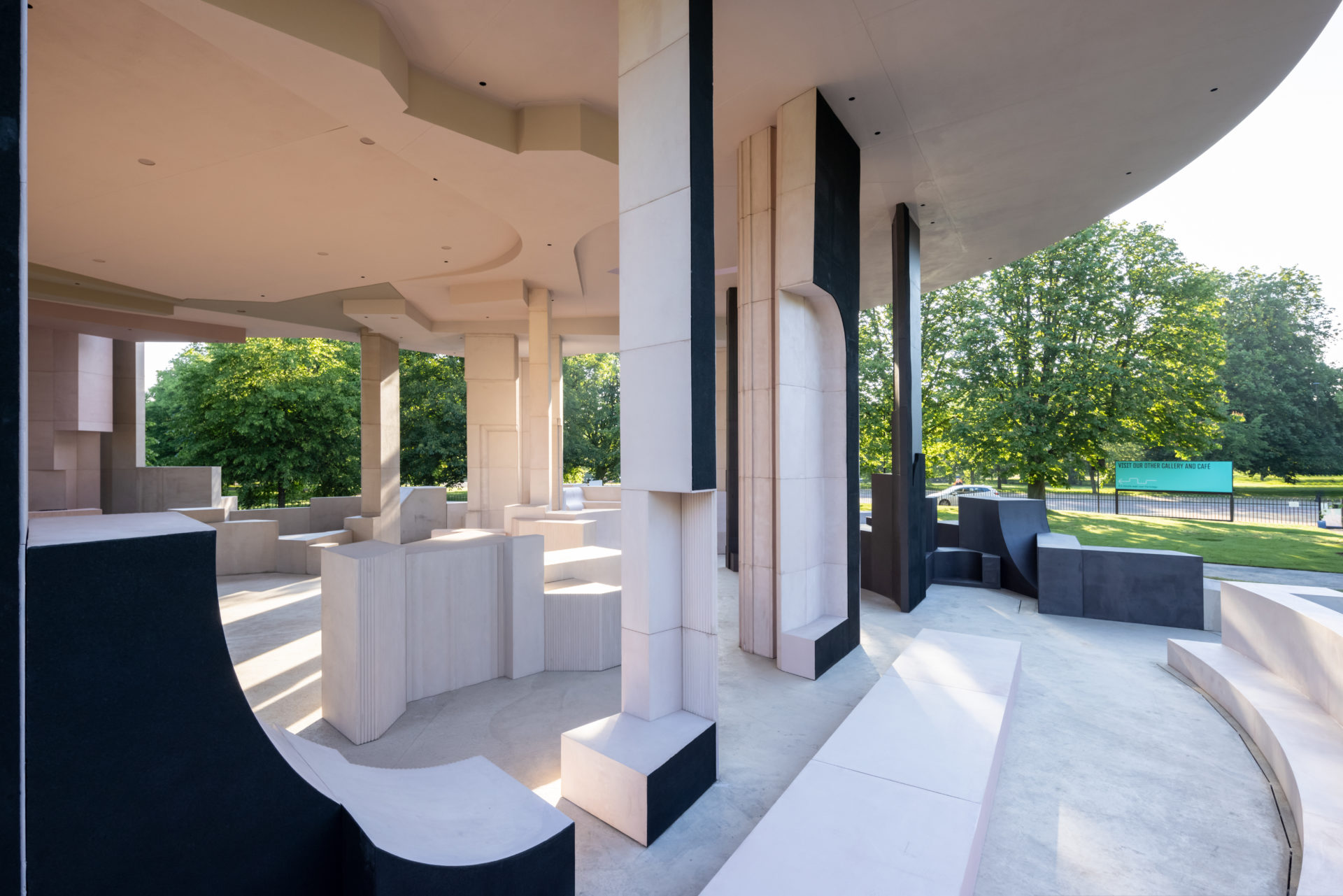
Meanwhile cork produced as a by-product from the wine industry and micro-cement derived from lime and waste from marble production have been used in the structure’s cladding.
This is not a paywall. Registration allows us to enhance your experience across Construction Management and ensure we deliver you quality editorial content.
Registering also means you can manage your own CPDs, comments, newsletter sign-ups and privacy settings.
Aecom claimed that the resulting structure was carbon negative, despite being the tallest structure in recent years at 6m, and covering a larger-than-usual footprint of 350 sq m.
The covid-19 pandemic meant that Aecom made the most of digital working methods, with Counterspace in South Africa and the team in the UK working within the constraints coronavirus restrictions. The teams exchanged 3D models, digital visualisations and videos of samples and mock-ups daily.
The Serpentine Pavilion architectural commission showcases new temporary buildings by international architects. Zaha Hadid was the first architect selected to present her design in 2000.
Madalina Taylor, senior engineer, Aecom, said: “Typically, the success of the pavilion is reliant on perhaps two or three key details, but the intricacies of Counterspace’s Pavilion includes hundreds of different design features, which required us to create a lot of bespoke details. With plenty of technical complexities and social sustainability at its heart, this year’s project was particularly rewarding to deliver.
"The design celebrates gathering spaces, which feels so important following the past year of social restrictions. We can’t wait to see the Pavilion become a place for reconnecting this summer.”
The January/February 2026 issue of Construction Management magazine is now available to read in digital format.
Powered Access
CM, in partnership with IPAF, has launched a new survey to explore the industry’s views and experiences with powered access machines on construction projects.
This is not a first step towards a paywall. We need readers to register with us to help sustain creation of quality editorial content on Construction Management. Registering also means you can manage your own CPDs, comments, newsletter sign-ups and privacy settings. Thank you.