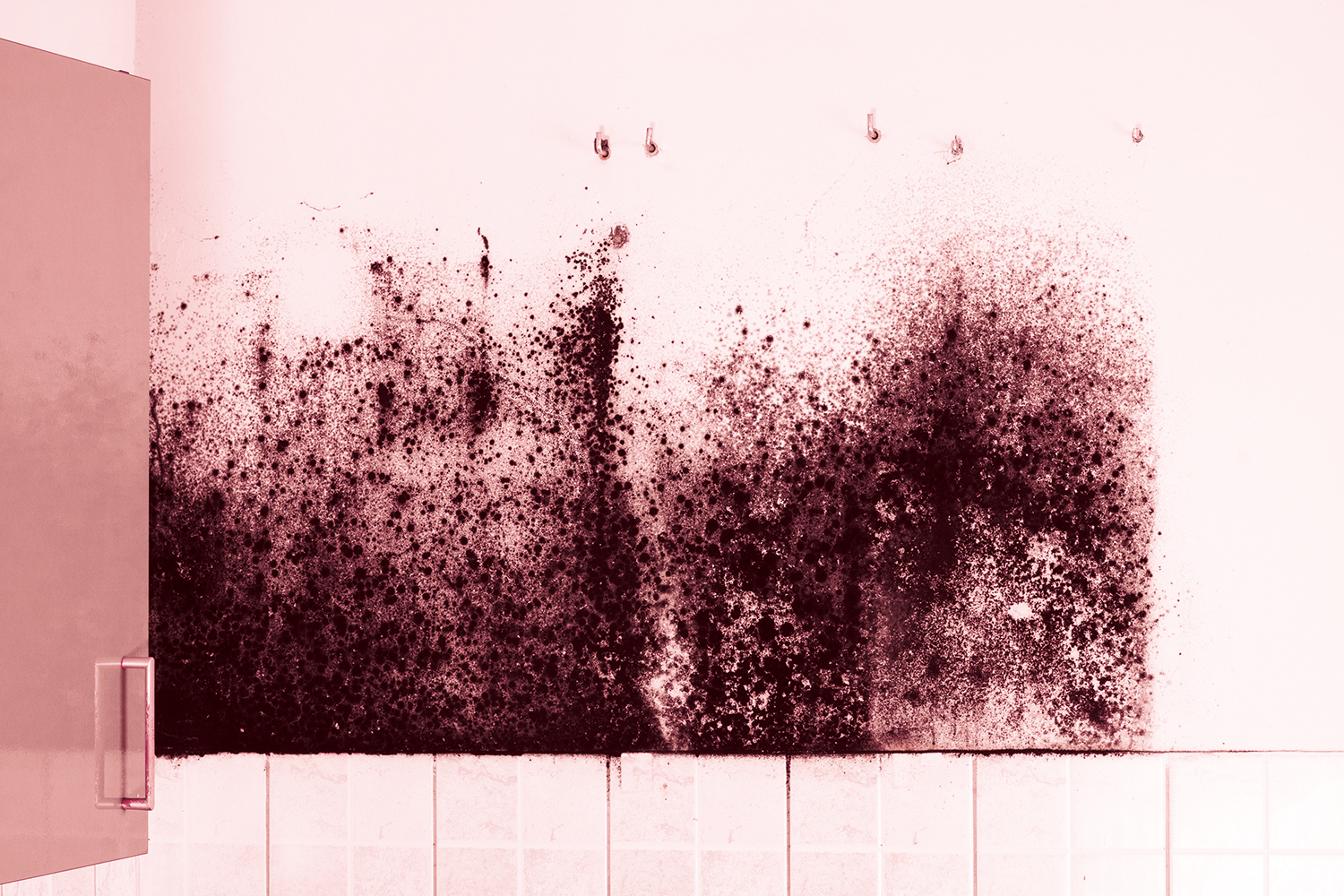
The coroner in the tragic case of Awaab Ishak cited mould as a primary catalyst in the toddler’s avoidable death in Rochdale in 2020, in his report issued last November.
Anyone who deals with dampness in ‘low cost’ rental accommodation knows that the photographs released after the inquest are not unusual.
The HSE presides over regulations that seek to prevent employers, landowners and businesses risking workers’ safety. It has the power to investigate unsafe practices, deaths and injuries and instigate both civil and criminal prosecutions.
This is not a paywall. Registration allows us to enhance your experience across Construction Management and ensure we deliver you quality editorial content.
Registering also means you can manage your own CPDs, comments, newsletter sign-ups and privacy settings.
Why is there no such mechanism to protect tenants in their homes? Gas and electrical safety legislation rightly places legal responsibility on landlords, so why not dampness?
An early lesson from Grenfell Tower was that tenants need a voice and those who serve them need to listen and act on what they are being told.
A framework like that presided over by the HSE, which will hold people to account through criminal responsibility where their negligence has led to physical harm, is something that may come, but this is worthless without education. Every housing officer, landlord, surveyor and building professional should have the knowledge to at least understand the causes and implications of dampness.
Rise in dampness
Property Care Association (PCA) members have seen a significant rise in dampness affecting homes, and this is only set to get worse.
“There need to be more robust reporting structures, coupled with a culture of learning for housing professionals. We need empowered, technically competent professionals.”
With the right attitude, defects can always be explained, remedied and resolved. One of the most effective ways to address the issue is the installation of appropriate and efficient ventilation. However, regulations and guidance setting out minimum requirements in homes are routinely ignored and often misunderstood.
The current format of Approved Document F, which addresses ventilation in homes, does not get the attention it deserves. And it is not enforced to the same extent as other areas of the Building Regulations.
Over the years we’ve pressed for more robust Building Regulations to tackle the issue – and we will continue to make the case.
There need to be more robust reporting structures, coupled with a culture of learning for housing professionals. We need empowered, technically competent professionals who can deal with issues with mould, based on science rather than assumption and prejudgements.
There’s a need too for a focused approach to ventilation and air quality that benefits the health and wellbeing of residents while being alert to the cost of energy. These are simple strategies that would make considerable inroads in tackling the growing blight of mould and condensation for millions of tenants.
Steve Hodgson is chief executive of the Property Care Association.