














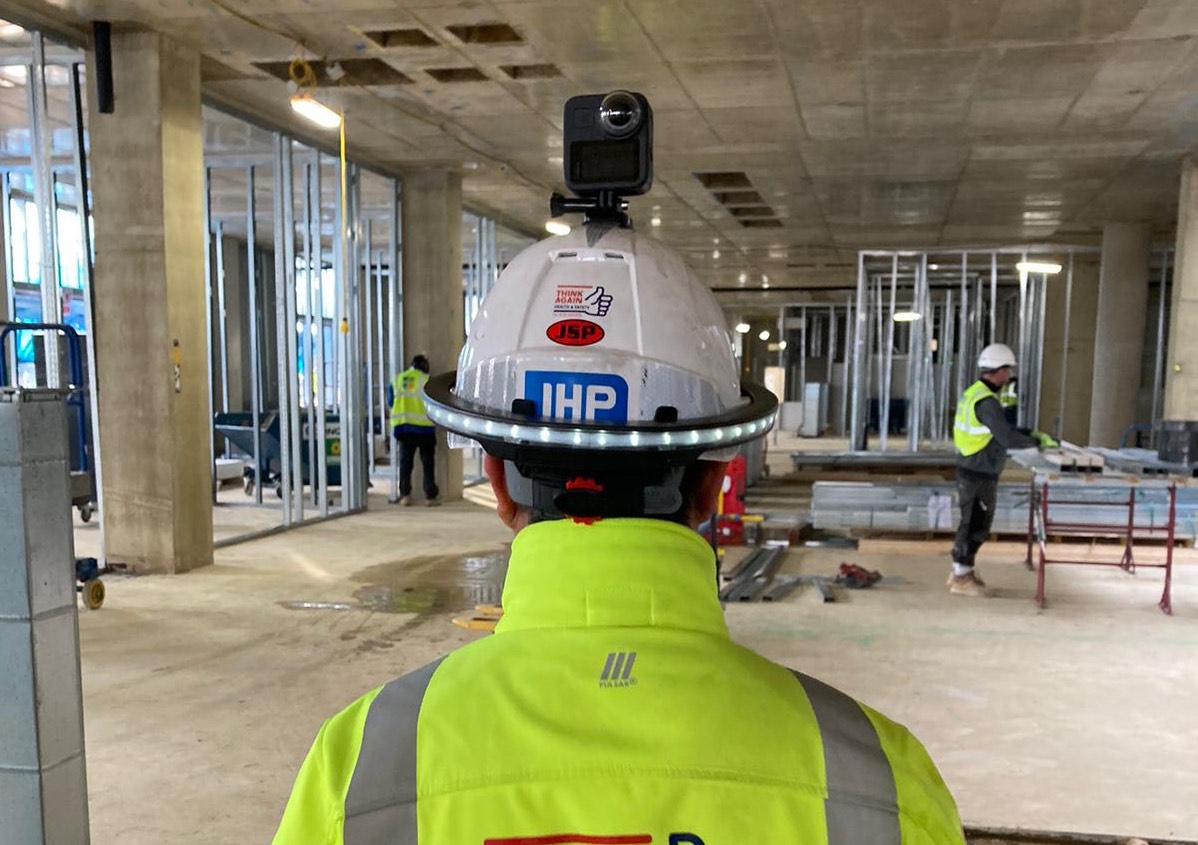
The key to boosting construction project efficiency lies in shifting focus from solely u003cemu003ewhatu003c/emu003e is being delivered to u003cemu003ehowu003c/emu003e it is being executed, according to Buildots. By optimising the underlying efficiency factors of a project, direct impacts on the project timeline can be achieved, steering clear of familiar delays.
In a white paper, Buildots asserts that while the construction industry has invested in tools and methods aimed at enhancing what is delivered through better schedules, optimising sign-off processes, and enhanced reporting, the how – the underpinning processes and methods – hasn’t seen equivalent innovation.
Lean construction methodologies have started to shift this focus, Buildots suggests, illustrating the benefits of a performance-centric approach.
Performance-driven construction management concentrates on these factors and facilitates a detailed analysis of them, enabling managers to scrutinise specific outcomes rather than just the overall project status. “This shift from lagging indicators like schedule and budget to the subtleties of process execution offers a clearer understanding of a project’s health and potential for proactive issue resolution,” Buildots says.
Performance defined
Where traditional construction management is reactive, addressing issues after they have happened, performance-driven construction management is proactive, addressing problems through root cause analysis to mitigate issues before escalating.
The performance-driven construction management framework morphs the established management loop of measure-analyse-optimise into a “dynamic, continuous workflow that enables proactive decision-making and continuous improvement”, according to Buildots.
To apply this framework effectively, managers must have access to accurate and timely progress data that provides meaningful performance indicators and the identification of actionable insights.
Find out more about performance-driven construction management by registering for the Global Construction Summit webinar focused on the topic. The webinar will feature a panel discussion with:
- Andy Steele, former chief executive of Osborne;
- Paul Drayton, head of digital, Europe, at Laing O’Rourke;
- Gareth Handley, director of operations at Wates Group; and
- Paul Bamforth, head of global strategic accounts at Buildots.
Don’t miss out on BIM and digital construction news: sign up to receive the BIMplus newsletter.


