













In an already stretched industry, construction insolvencies are at their highest for a decade, writes Kris Hudson.
Elevated build costs continue to contribute to the inflationary pressure on the construction supply chain, but other risks are also mounting.
The sector is experiencing a high rate of insolvencies as one enduring impact of the removal of the fiscal crutches put in place by the government during the pandemic. The furlough scheme ended in September 2021, and the temporary easing of insolvency rules finished in March 2022.
Several months on the consequences are increasingly visible, with the danger of insolvency threatening to overtake inflation as the primary risk to successful project delivery.
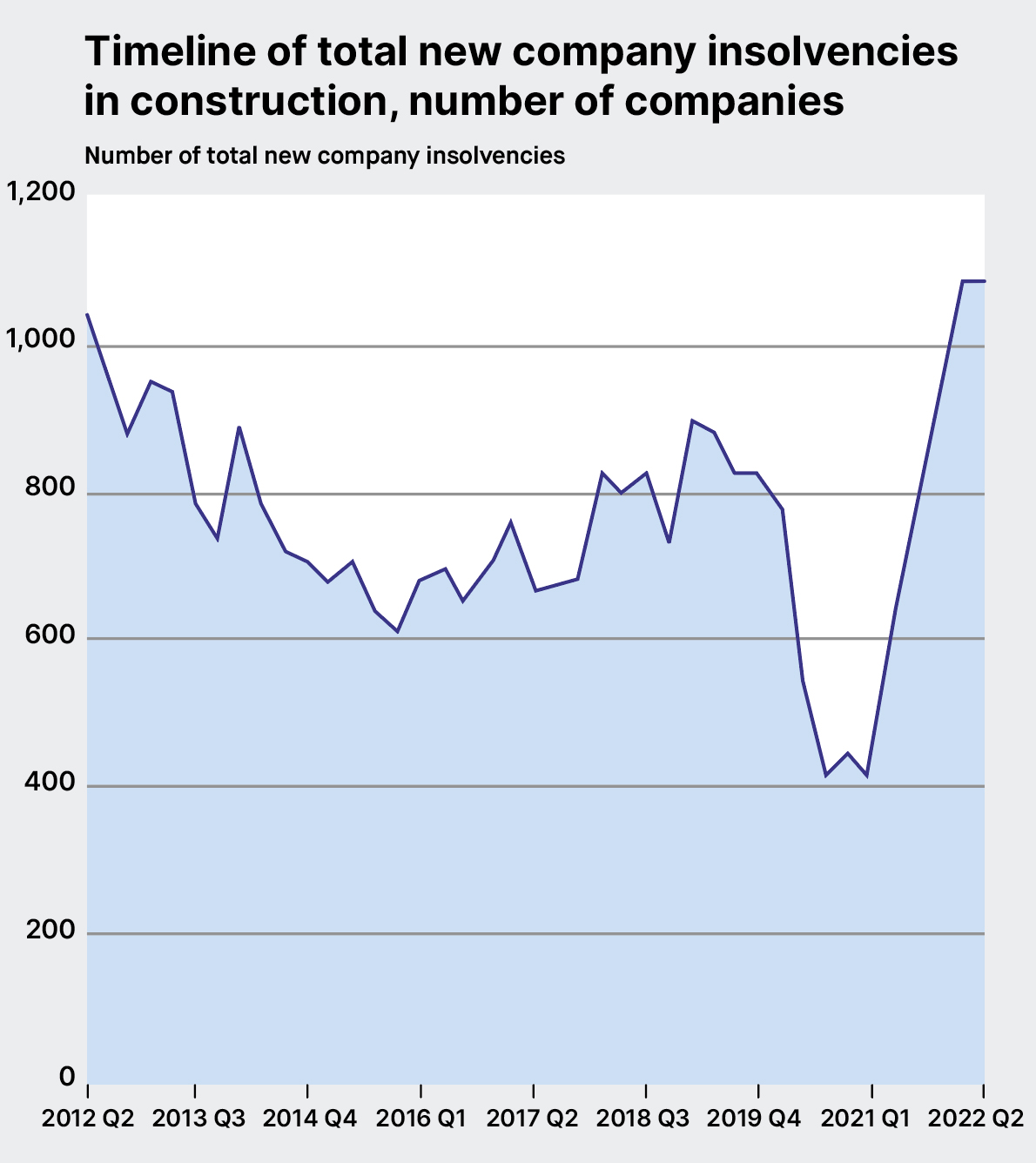
The number of construction sector insolvencies in Q2 2022 remains at levels not seen since 2012. In the four quarters to Q2 2022, 3,850 construction firms across England, Scotland and Wales became insolvent. This means that the sector has suffered more company failures than any other – making up almost a fifth of insolvencies across the economy.
Additional strain on firms
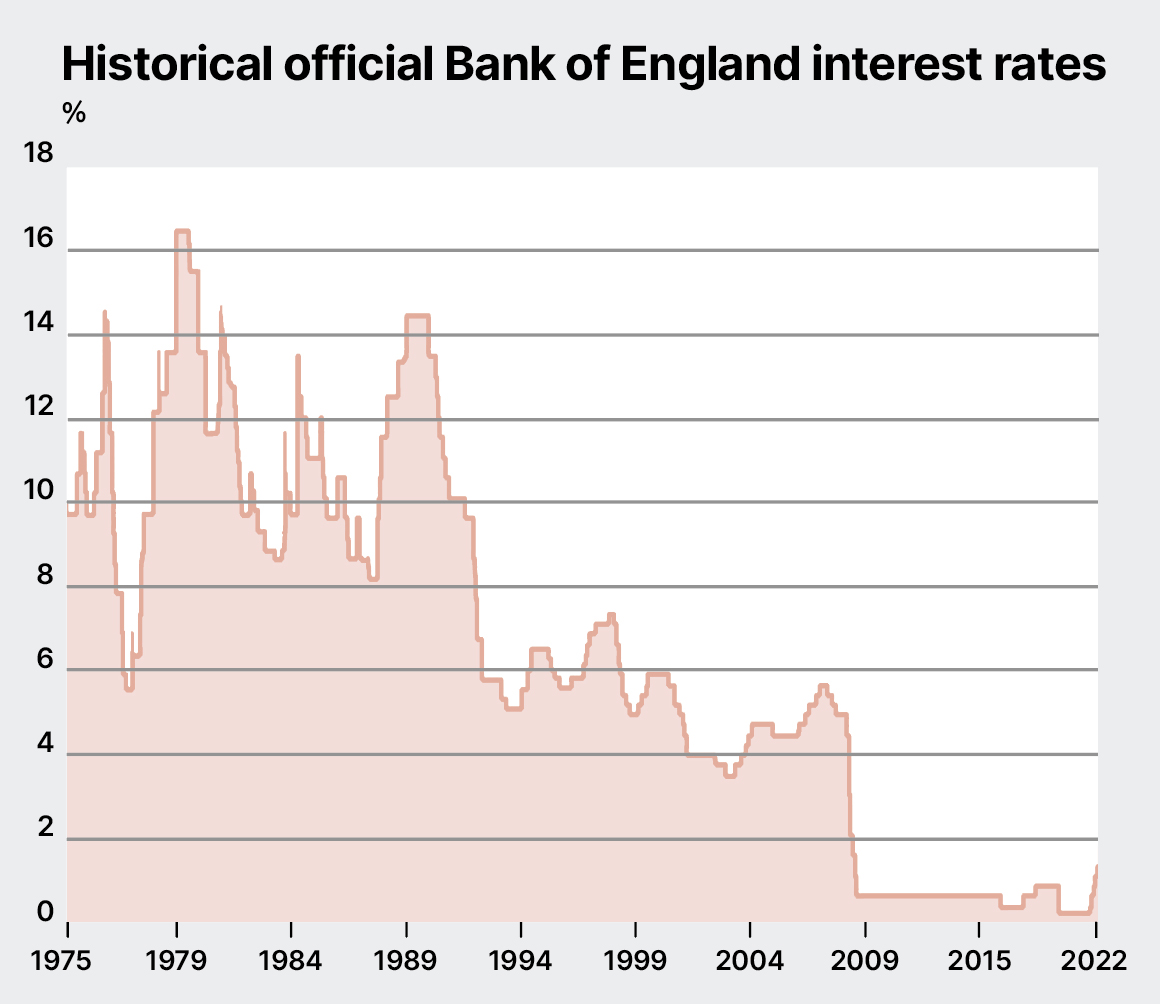
Back in 2012, Bank of England interest rates were flat at 0.5%. Now the rate is 1.75% and expected to increase. This puts additional strain on many firms as credit availability and affordability diminishes.
Inflation and insolvencies are often intertwined, but programmes now face risk from both at once. Although the pace of growth in tender prices may soften – leaving insolvencies as potentially a more immediate threat.
Turner & Townsend’s latest tender price inflation forecast anticipates that the rate of inflation growth in 2023 will be 3.8% for real estate, and 5% for infrastructure. This is lower than 2022’s rates of 8.7% and 8% respectively, as set out in the firm’s summer 2022 UK Market Intelligence report.
Meanwhile, indicators of insolvency risk give increasing cause for concern. Ninety-eight percent of construction firms are small and medium-sized enterprises (SMEs), which accrued the most debt over the pandemic and have borne much of the brunt of the enduring build cost inflation.
Cost of loans rising
Since Q1 2020, SMEs’ balance of outstanding loan payments has increased by 35.9% and now, as interest rates rise, the cost of these loans is increasing and making it harder to service debts.
Businesses faced with the twin threats of insolvency and inflation must be pragmatic. For those managing supply chains, insolvency risk can be mitigated by remaining wary of tell-tale signs in contracted firms, such as low productivity, difficulty securing labour or materials and failure to pay suppliers.
For contractors and clients alike, central to successful delivery is keeping an open, collaborative dialogue to collectively identify and tackle any issues as early as possible.
Kris Hudson is an economist and associate director at Turner & Townsend.


