













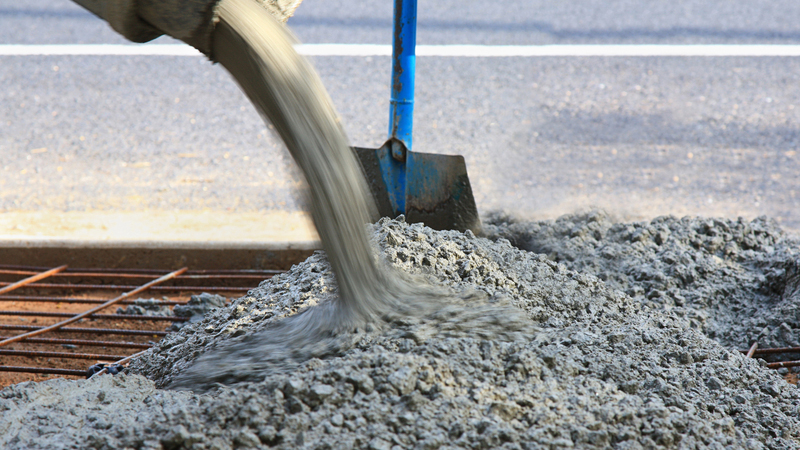
A new study looks at how the material absorbs CO2, writes Elaine Toogood.
Carbonation is a process where concrete naturally absorbs carbon dioxide from the atmosphere throughout its lifetime, at end of life and in secondary use.
In August 2021, the UN acknowledged for the first time that this uptake of CO2 in concrete infrastructure is a form of sequestration that balances a significant proportion of carbonate emissions over the life cycle.
The UK government has since recognised the need to measure and understand the process of carbonation and appointed the Mineral Products Association (MPA) in December to research its impact across the built environment. Our initial assessment is that, nationally, concrete carbonation would contribute a 12% reduction in emissions compared to 2018 levels, taking the industry beyond net zero.
Register for free or sign in to continue reading
This is not a paywall. Registration allows us to enhance your experience across Construction Management and ensure we deliver you quality editorial content.
Registering also means you can manage your own CPDs, comments, newsletter sign-ups and privacy settings.


