














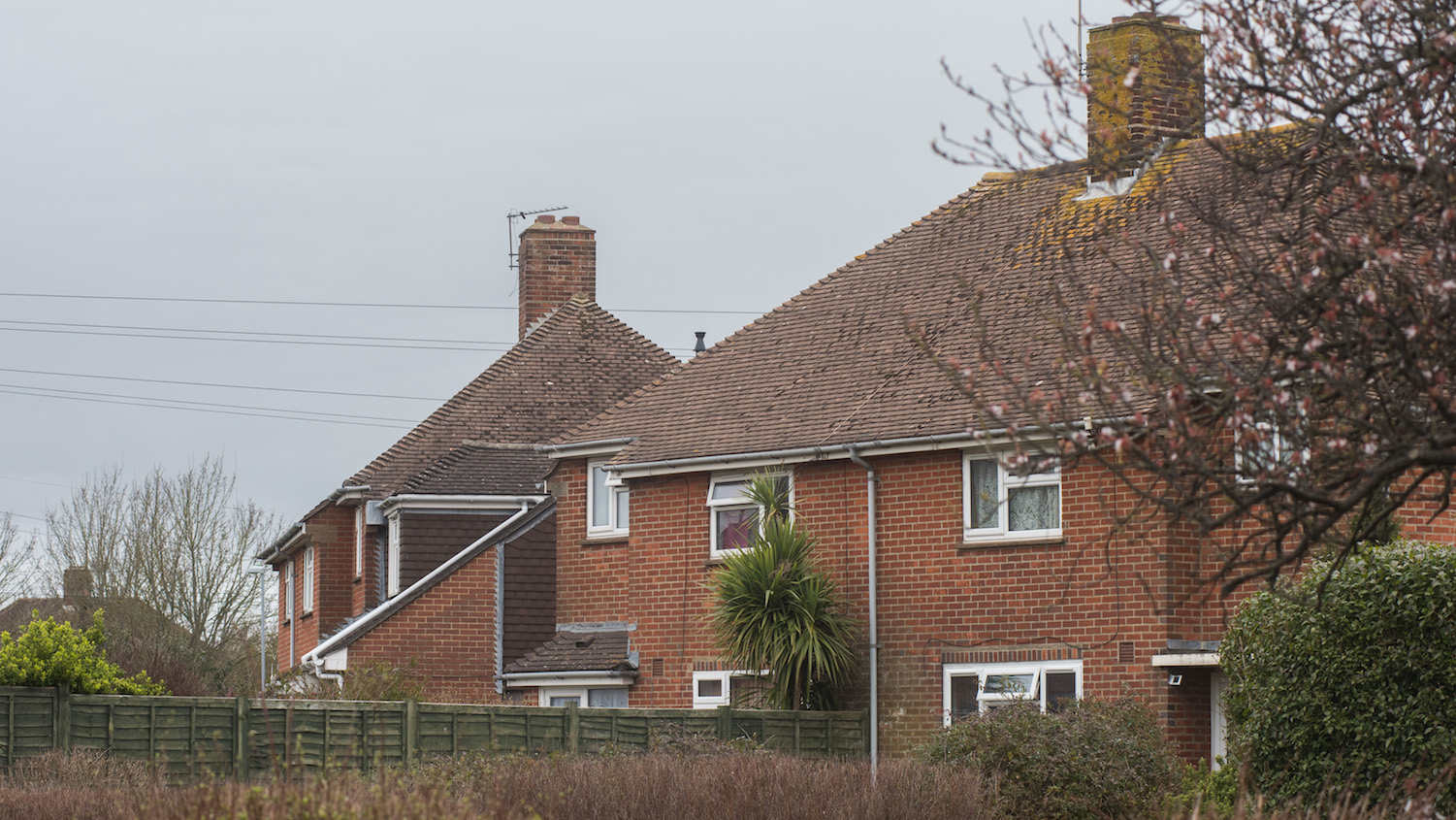
Sovereign Housing Association has adopted an Internet of Things approach to improve the carbon footprint of 400 of its less energy-efficient homes.
The technology could help to identify potential damp and mould conditions, so that action can be taken sooner.
Sovereign has installed smart heating and hot water thermostats from Switchee in 200 homes on the Somerford estate in Christchurch, Dorset. Each device includes five sensors and, for residents, the smart thermostat gives them control of their heating and hot water, helping them to reduce consumption and save money on their heating bills.
Meanwhile, Sovereign has fitted sensors from North in 200 homes on a second large estate in Basingstoke, Hampshire. These sensors record and analyse moisture readings every 30 minutes as well as CO2 and air quality.
Both sets of devices gather real-time data to help Sovereign identify any issues and could also help the organisation prioritise and tailor investment and improvements to its homes in the future.
The next steps
Should this approach prove successful, it could be rolled out to more of Sovereign’s 60,000 homes across south and south west England.
Sovereign head of product management Gareth King said: “This is a very collaborative three-way piece of work with colleagues at Switchee and North. We’ve been really impressed and grateful for all their support and input throughout the initial stages.
“Now we’ve installed this tech into 400 homes, we’re starting to look at what the data is telling us, spotting possible issues for our customers.
“Within the first few weeks we’ve already been able to spot where a few simple changes in customers’ homes could positively improve their energy efficiency and reduce the risk of condensation. Additionally, by analysing the data we’ve been able to offer our wraparound services (such as money and digital support) to customers who may benefit from the service the most.”
He added: “The data will also let us be more proactive. Even if other homes don’t have this tech, information from these devices will help us identify other similar homes (perhaps in the same street or of a similar age and construction) that we need to look more closely at too – in terms of repairs and also to help us prioritise bigger investment projects like replacement heating systems, insulation or even redevelopment.”
Don’t miss out on BIM and digital construction news: sign up to receive the BIMplus newsletter.


