Construction Management is the highest circulation construction-based publication serving the UK built environment.
Digital Construction
Galliford Try and Caterpillar test intelligent compaction on A303
Justin Stanton Editor, CM Digital
Image: National Highways
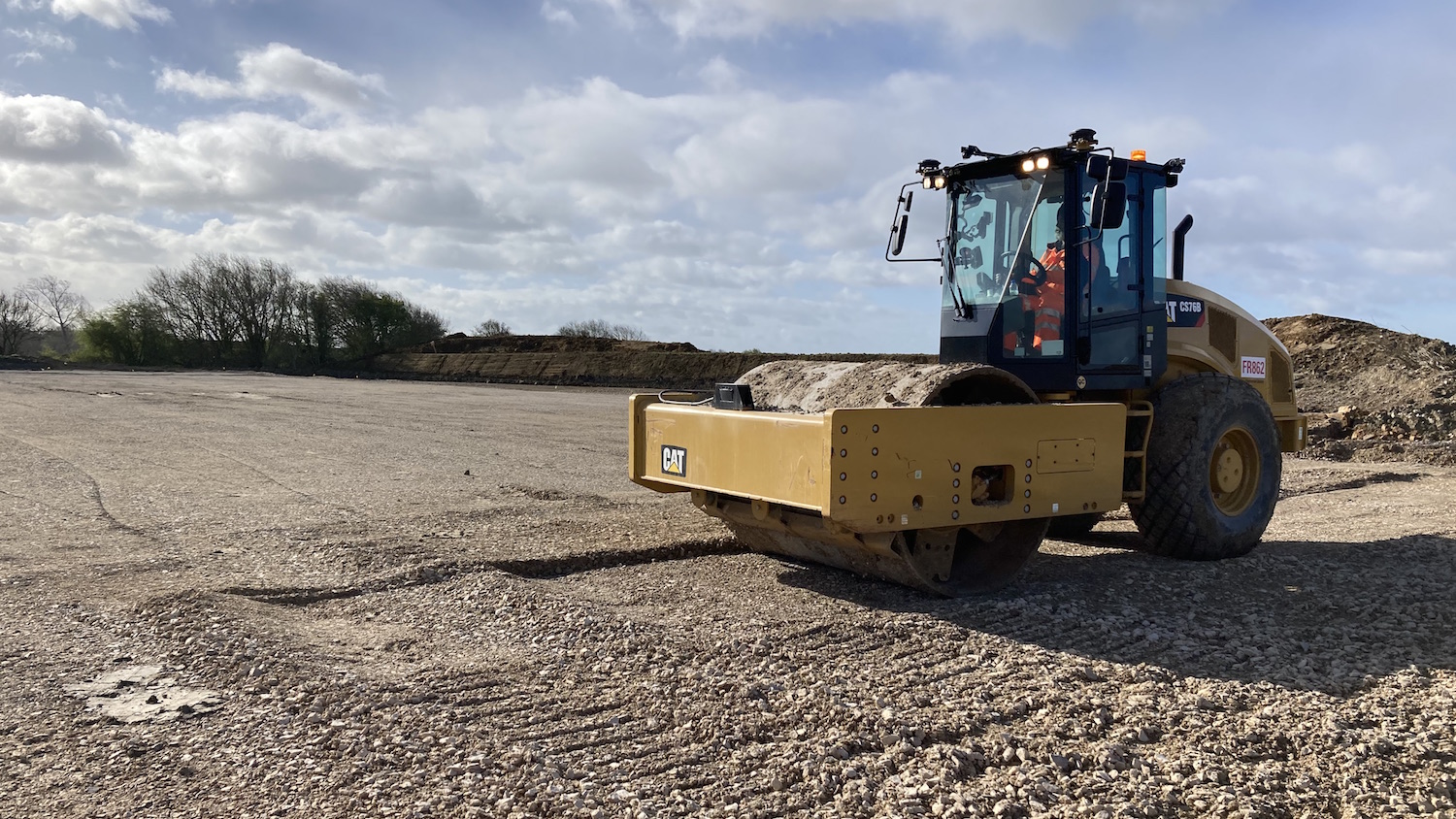
National Highways, along with Galliford Try and Caterpillar dealer Finning UK u0026amp; Ireland, have tested intelligent compaction technology on the A303.
The machines used in the trial were fitted with Cat machine drive power technology and Cat compaction meter value. Using these features, the driver was able to set the target depth and compaction level required via an interface in the cab. This enabled the operator to pre-set the drive functions, so the roller is automated and operates within the required parameters. This ensures the task is completed safely and eliminates the need for a worker to be out on site during the compaction process to check the levels.
This is not a paywall. Registration allows us to enhance your experience across Construction Management and ensure we deliver you quality editorial content.
Registering also means you can manage your own CPDs, comments, newsletter sign-ups and privacy settings.
Jonathan Davies, industry manager for industrial, waste and paving at Finning UK & Ireland, explained: “Cat soil compactors have two types of sensors that measure the ground stiffness, as well as an accelerometer base system, which is common in the industry. [These are] complemented by a proprietary rolling resistance system, so it works particularly well in cohesive and clay-like material, which is common across the UK.
“Without the use of such technology, the only way to be sure of the compaction level across a site is through random testing, which can cause delays on site and safety issues.”
Compaction delays negated
National Highways noted that compaction is one of the first activities to happen on site, so any issues can impact the whole construction programme and increase costs. Intelligent compaction provides reassurance that there is the required strength in the foundation and work can progress, it said.
National Highways head of innovation, Claire Hamar, said: “We are constantly exploring innovative ways to design, build and maintain our roads and are committed to making connected and autonomous plant the norm in construction. We believe that embracing innovation is the path to more efficient and safer projects.
“A huge positive that we discovered in the intelligent compaction trial was the improved efficiency and environmental benefits – as work did not need to be repeated so, thanks to the reduced fuel use, we had reduced carbon [emissions].
“Not only is the work completed more quickly, saving resources and taxpayers’ money but, most importantly, it improves safety and reduces risk.”
This is not a first step towards a paywall. We need readers to register with us to help sustain creation of quality editorial content on Construction Management. Registering also means you can manage your own CPDs, comments, newsletter sign-ups and privacy settings. Thank you.