








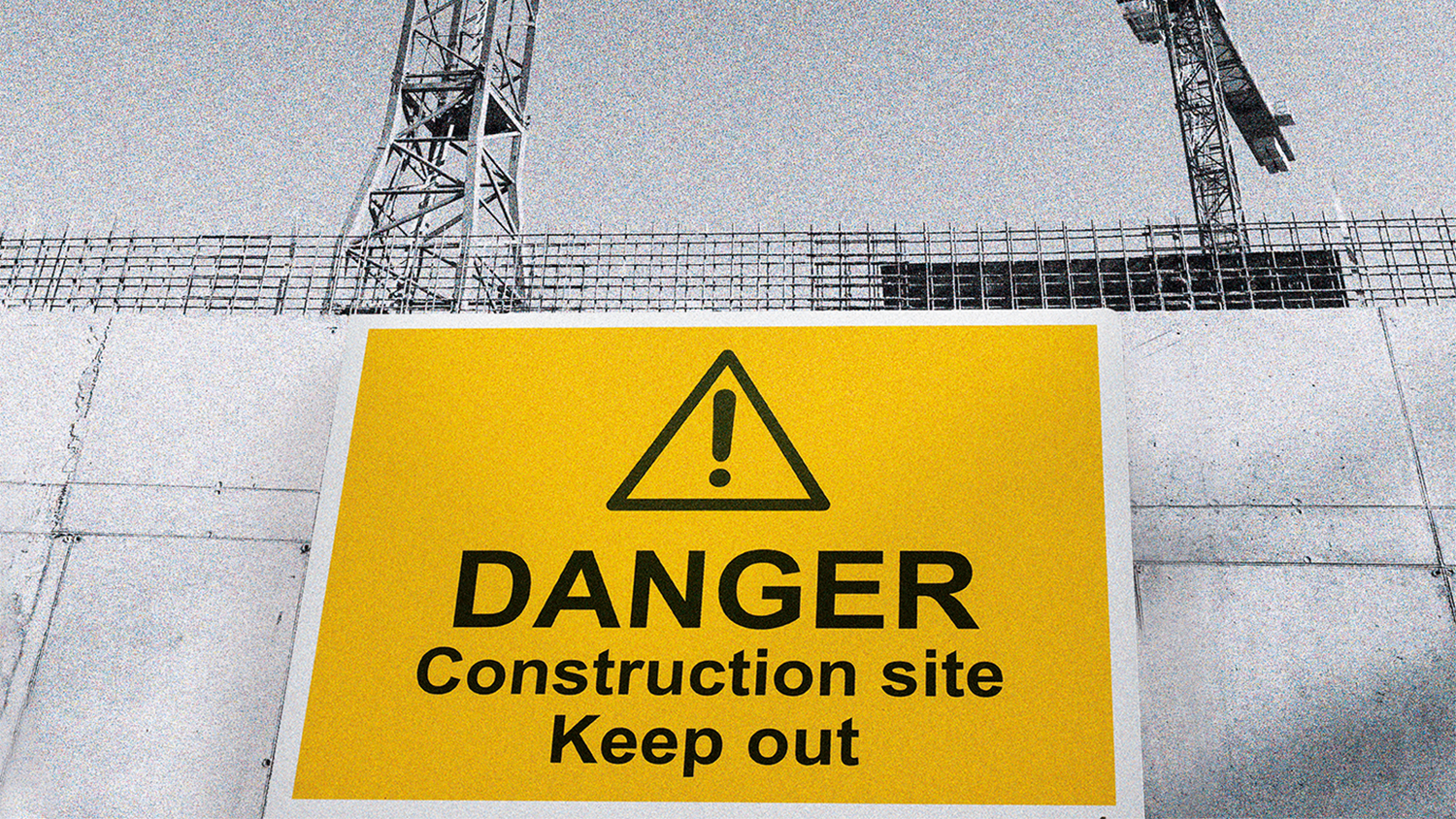
Urban explorers who break into construction sites are a growing problem. In our latest contract clinic, Paige Armitage and Jessica Stanway look at the legal ramifications.
The question
Despite us securing our site, trespassers broke in and climbed up a tower crane. Unfortunately, a piece of protection was missing from the crane base. They filmed themselves on the crane and put the video on YouTube. What are the risks we may be exposed to, and is there any action we can take against them?
The answer
The Occupiers Liability Acts of 1957 and 1984 impose on the land occupier a duty of care to all persons on the land. This includes trespassers. The duty is to take such care as is reasonable to ensure the person does not suffer injury on the premises due to any danger present or due to the state of the premises. The term ‘trespasser’ is comprehensive. It includes both those who intend to invade another person’s land and those unaware they are somewhere they have no right to be.
A construction company owes this duty of care to trespassers if it knows or has reasonable grounds to believe a danger exists. Because you have failed to install protection on the crane base, trespassers may come into the vicinity of this danger. This is likely to be enough to establish negligence.
In the event that the trespassers suffer injuries due to this danger while on the tower crane or the site, the responsibility lies with the construction company. You could face criminal action for a breach of health and safety guidelines and the Health & Safety at Work etc. Act 1974, which imposes a duty of care to non-employees on site.
Further, you will be liable to meet the cost of any personal injury claim brought on behalf of the trespassers. Depending on the injuries sustained, this could be an eyewatering sum in comparison to a minor, easily rectified site safety failing. This amplifies the need for suitable public liability insurance to ensure proper protection against these risks.
Social media exposure
Worse, social media exposure increases the risk of further instances of trespass on your site as more thrill-seekers and urban explorers access the content. The original trespassers may detail their method of access.
Your company could act against the trespassers, seeking an injunction prohibiting any further trespass on the site by them. Injunctions might also force them to remove any online content and provide you with all photographs and videos taken when they trespassed on your site.
You may also want to seek a site-wide injunction, prohibiting any trespass on the site by other parties. Should any further incidents occur, criminal action could then be taken against the trespasser.
Construction companies should do all that is practicable to prevent unauthorised access to their sites. This could include erecting anti-climb equipment, installing CCTV and secure fencing. Simply installing signage warning of risks is unlikely to deter urban explorers.
This is an ever-evolving area of law, and each case will turn on individual facts. It is worth reading the Health and Safety Executive guidelines on making construction sites safe for members of the public.
Paige Armitage is a trainee solicitor and Jessica Stanway a solicitor at JMW Solicitors.


